
Reviewed · BLUE EYE TOURS
2 Day Tour of the Riviera, Gjirokastra UNESCO city and Blue Eye,
Gjirokastra’s stone lanes, hilltop fortress, and Ottoman houses give this southern Albania tour its strongest sense of place. Add the startling blue spring of the Blue Eye, a stop by the Ionian Sea, and a private vehicle, and you get a busy but rewarding two-day route from Tirana. I especially like the chance to hear local stories from Julio, who has lived in southern Albania, and the flexibility of traveling only with your own group. The main tradeoff is the distance: much of Day 1 is spent on the road.
- Gjirokastra’s Ottoman bazaar and castle give you a clear look at southern Albania’s past.
- The Blue Eye spring requires about a 15-minute walk through a park but rewards you with strikingly clear water.
- A private group format means your guide can adjust the pace and focus on your interests.
- Llogara Pass provides a brief but powerful view over the Riviera and Ionian Sea.
- Zvërnec Island and its Byzantine monastery add a quieter cultural stop on the return trip.
- The $391.81 price covers private transport and selected admissions, but not meals or drinks.
Why this southern Albania route works
This tour links several places that are awkward to combine by public transport in only two days. From Tirana, you head south to Gjirokastra, continue to the Blue Eye and the Himarë area, then return by way of Llogara National Park and Zvërnec Island.
I like the route because it mixes three different sides of Albania. Gjirokastra supplies Ottoman architecture and national history. The Blue Eye brings a natural spectacle. The Riviera and Ionian coast add open views and a change of pace.
You should also know what this is not. It is not a slow beach holiday or a relaxed village stay. The first day begins at 8 a.m. and covers roughly 230 kilometers to Gjirokastra before the sightseeing even starts. If you prefer long lunches and unhurried wandering, the schedule may feel tight.
Leaving Tirana at 8 a.m. for Gjirokastra
The early start matters. You are covering a large part of southern Albania, and the route takes you through rural areas alongside the Vjosa River, one of the few largely untamed rivers in Albania and the wider Balkan region.
The ride is in an air-conditioned vehicle with private transportation. That gives you more comfort and control than trying to piece together buses and taxis between each stop. Pickup is offered, though you should confirm the exact pickup point when booking.
The countryside provides much of the first morning’s interest. You pass green agricultural land and see how quickly Tirana gives way to southern Albania’s open valleys and hills. Since the ride is long, bring water and dress for a day that includes both vehicle time and walking on uneven stone.
More Blue Eye trips people book:
- Gjirokastra- The Stone City & Blue Eye- The monument of Nature.
★ 4.5 · 180 reviews - Butrint, Ksamil, Blue Eye, Lekuresi Castle. All-in-one daytrip.
★ 4.5 · 125 reviews - From Durrës/Golem: Saranda, Ksamil, and Blue Eye Day Trip
★ 4.2 · 113 reviews
Gjirokastra’s stone streets and Ottoman past
Gjirokastra is the heart of the experience. The city is known for its well-preserved Ottoman architecture, with stone-roofed houses climbing the hills below the fortress. Its old town is a UNESCO World Heritage site, and the setting makes the city feel quite different from Tirana.
The tour allows about three hours for Gjirokastra as a whole, followed by about 30 minutes in the bazaar and one hour at the castle. That gives you enough time to understand the city’s shape, though not enough for a slow examination of every side street or museum.
A private guide is especially useful here. Gjirokastra’s history includes Ottoman rule, local resistance, royal legends, and later use of the fortress by different governments. Without context, the stone buildings can blur together. With a guide, the streets become a record of how people lived, traded, defended themselves, and adapted to changing political times.
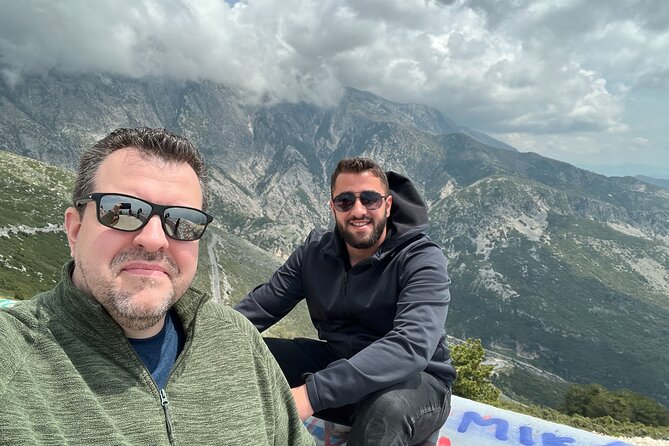
The guide named in the experience details is Julio. His connection to southern Albania is useful because the tour can include personal stories alongside the main historical points. That local perspective was one of the most praised elements of the experience, along with the smooth handling of transport and timing.
Walking through Gjirokastra Bazaar
The bazaar begins around Çerçiz Topulli Square, a central meeting point below the castle. The cobbled streets rise and fall as they connect the lower part of town with the fortress above.
The bazaar dates from the 17th century and once served as the city’s commercial and social center. Goods changed hands here, but so did news and gossip. That detail helps you picture the bazaar as more than a row of shops. It was the place where the city learned what was happening beyond its own neighborhood.
You get about 30 minutes here, so use it as an introduction rather than a full shopping period. Look up at the stone buildings, note the slope of the streets, and keep an eye on the walking surface. Comfortable shoes will help.
The bazaar is also where you begin to appreciate the city’s unusual vertical layout. Gjirokastra’s streets eventually lead upward toward the fortress, and the town’s history is written into that climb.
Reaching Gjirokastra Castle
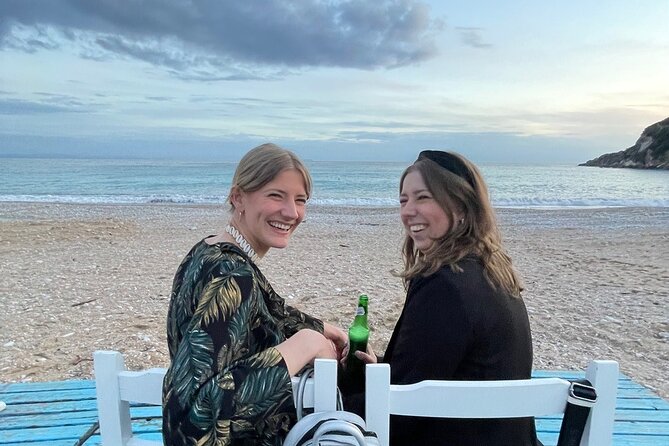
The castle sits above the town and is often described as the crown of Gjirokastra. Its hilltop position provided natural defensive strength, while the fortress itself watched over the city and nearby routes.
The site is tied to the legend of Argjiro, a young princess said to have sacrificed herself. You will also hear about the castle’s more documented uses. It was heavily renovated in the 19th century and later served as a fortress and prison under different regimes and political powers.
The one-hour visit gives you time to see the stone defenses and take in the view across the city. From above, Gjirokastra’s houses spread along the hills in a pattern that is easier to understand than it is from street level.
The castle admission is included. The ground is uneven in places, and the walk from the bazaar involves an uphill route, so this is not a stop for anyone hoping to avoid walking. Still, the view and the sense of history make it one of the strongest parts of the day.
More UNESCO Tours in Tirana:
- Small Group Tour; Pearls of Albania in 8 Days (3 UNESCO Sites)
★ 5.0 · 29 reviews - Albanian Highlights – UNESCO sites ,Nature and Food tour
★ 5.0 · 13 reviews - Albania: Mini UNESCO Food Tour – 4 Days
★ 5.0 · 8 reviews - UNESCO Heritage Sites in Albania on 3 day tour
★ 5.0 · 6 reviews
The Blue Eye and its clear spring water
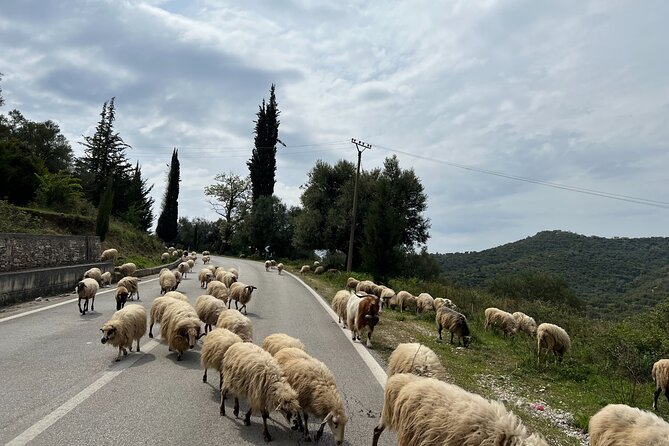
After Gjirokastra, the tour continues to the Blue Eye, a natural spring set in a park. The water is famous for its intense blue color and remarkable clarity. You can see into the spring to a depth of more than 50 meters, although the source itself remains below.
You walk about 15 minutes through the park to reach the spring. The walk is short, but you should still wear shoes suited to a natural path rather than sandals meant only for the beach.
The visit lasts about one hour, including the walk and time at the water. The spring is a visual stop more than a full activity. Its cool water can look tempting on a warm day, but you should follow the conditions and instructions at the site before entering.
Admission to the Blue Eye is included. I like this stop because it changes the rhythm of the tour after the stone streets and castle walls. You move from human history to a natural feature that has drawn attention for generations.
Himarë, the Riviera, and the overnight question
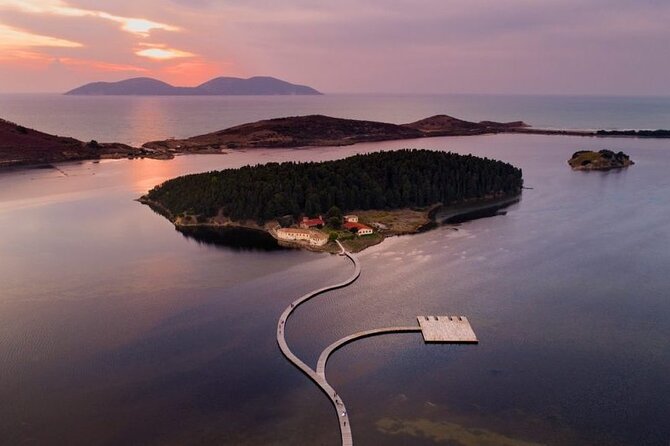
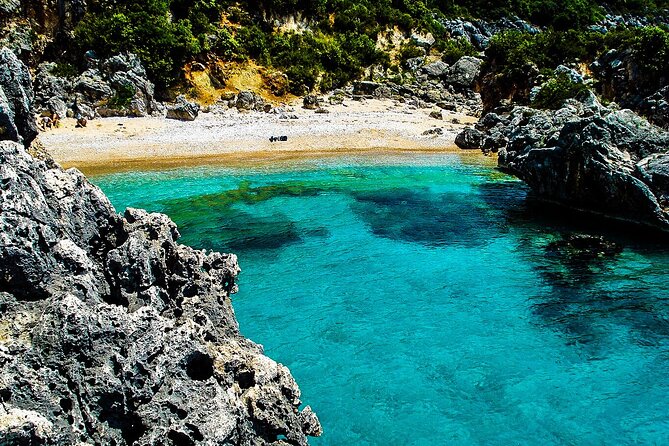
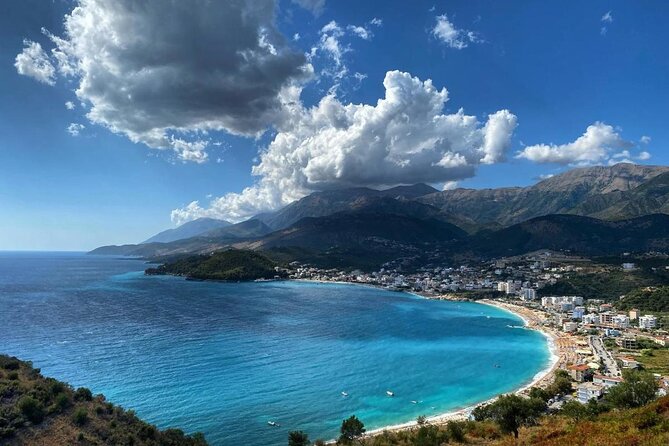
The tour description presents Himarë as the coastal base for sun, sea, and sand. That makes sense as a break after Gjirokastra and the Blue Eye. The Ionian coast is one of southern Albania’s major draws, and the route is designed to bring you into that setting.
However, the detailed schedule does not give a separate time allocation for a Himarë beach visit, nor does it state the name of the accommodation or explain exactly where you spend the night. If beach time is your main reason for booking, confirm those details before paying.
This is an important practical point. The experience is marketed as a two-day tour, but the listed stops for Day 1 focus on Gjirokastra and the Blue Eye. Day 2 begins with the return route through Llogara National Park and ends with Zvërnec Island before Tirana. Ask the provider how the Himarë stay is arranged and how much free time you will actually have by the sea.
Llogara Pass and the Ionian Sea
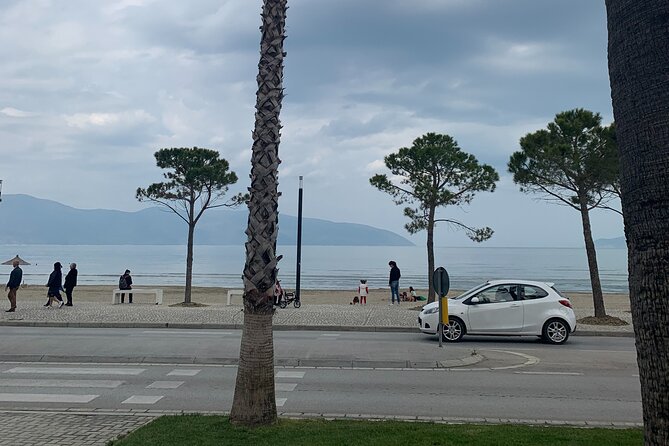
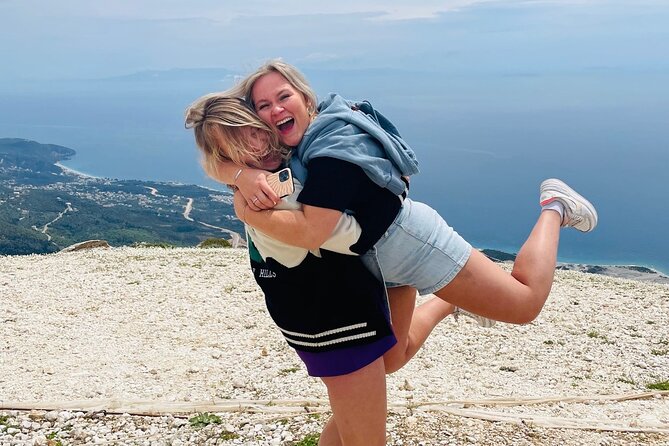
On the way back to Tirana, you stop at Llogara Pass for about 15 minutes. The stop is brief, but it gives you a wide view over the Albanian Riviera and the Ionian Sea.
This is a classic photo stop, not a hike through the national park. You step out, take in the height and the coastal view, and continue. The short duration suits the larger route because you still have another major stop ahead.
The pass helps explain the geography of the Riviera. From high ground, the coast’s shape and the change between mountain roads and seaside settlements become much clearer. If weather is poor, visibility may be limited, which is worth keeping in mind since the experience requires good weather.
Zvërnec Island and St. Mary’s Monastery
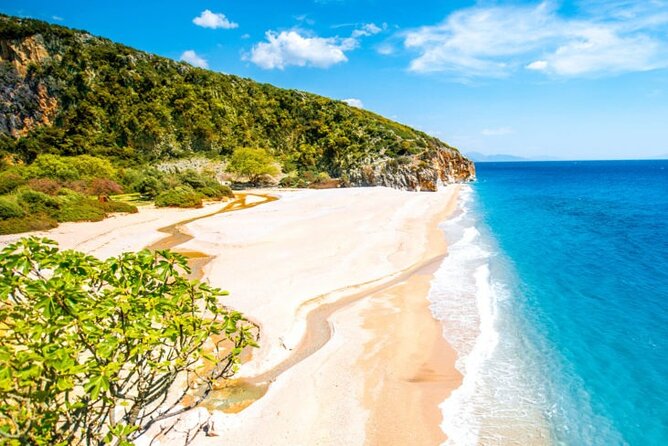
The final major stop is Zvërnec Island, reached by a wooden bridge about 270 meters long. Pine trees cover much of the island, giving it a calmer feel than the busy road route.
At the center is St. Mary’s Monastery, a Byzantine building dating from the 13th and 14th centuries. The monastery has survived for centuries and adds another layer to the tour’s story of southern Albania. After Ottoman Gjirokastra and the mountain coast, this stop shifts the focus toward Byzantine religious heritage.
The visit lasts about one hour. The bridge itself is part of the experience, and the island offers a chance to walk after a long period in the vehicle. Admission is listed as free.
Because the stop comes late in the route, your energy level may depend on how long the previous day felt. Still, it is a worthwhile addition rather than a filler stop. You get a different setting, a historic structure, and a quieter end to the journey before returning to Tirana.
What the $391.81 price covers
At $391.81 per person, this is not a budget bus excursion. The value comes from the private vehicle, pickup option, air conditioning, guide, and the ability to travel only with your own group.
The castle and Blue Eye admissions are included. Several other stops have no admission charge. You also avoid arranging separate transport between Tirana, Gjirokastra, the Blue Eye, Himarë, Llogara, and Zvërnec.
The price makes more sense for a small group that values convenience and personal attention. If several people share the booking, group discounts may improve the cost. A solo visitor or couple should compare the price with the value of private transport and a guide who can adjust the day to their interests.
Lunch is not included, and beverages are extra. The information supplied refers to second and third day lunch, which is unclear for a tour described as two days. Treat all meals as your responsibility and ask for clarification about the exact meal arrangements and overnight stay.
Who will enjoy this tour most
I would recommend this experience to you if you want to see several of southern Albania’s headline sights without renting a car. It suits anyone interested in Ottoman architecture, castles, natural springs, coastal views, and historic religious sites.
It is also a good fit if you prefer private touring. Your group is the only group taking part, so you can ask questions, spend more time where the guide’s explanation is useful, and avoid being tied to a large coach schedule. Julio’s personal connection to southern Albania adds value for people who want more than dates and building names.
The tour is less suitable if you want a slow beach break, a detailed museum program, or long independent periods in each town. The route covers a lot of ground, and some stops are short.
Most people can participate, and service animals are allowed. You should still be ready for cobblestones, uphill walking in Gjirokastra, and the 15-minute path to the Blue Eye.
Booking and cancellation details
The start time is 8 a.m. Pickup is offered, and confirmation normally arrives at booking. If you book within three days of departure, confirmation may take up to 48 hours and remains subject to availability.
You can cancel for a full refund up to 24 hours before the start time. Changes or cancellations made less than 24 hours ahead are not accepted for a refund. Poor weather can also cause cancellation, in which case you are offered another date or a full refund.
Should you book this two-day tour?
Book it if your priority is efficient private transport through southern Albania, with Gjirokastra as the main cultural stop and the Blue Eye as the natural highlight. The castle, bazaar, Llogara view, and Zvërnec monastery give the route useful variety.
Before booking, confirm two points: how much time you receive in Himarë and where you stay overnight. If those details match what you want, the tour offers a practical way to connect places that are difficult to combine on your own. If your main goal is swimming and beach time, choose only after checking the coastal schedule carefully.
FAQ
Where does the tour start?
The tour starts in Tirana, with an 8 a.m. departure. Pickup is offered.
How long is the tour?
The experience lasts approximately two days.
Is this a private tour?
Yes. Only your group participates, and private transportation is provided.
Who is the guide?
The guide named in the experience information is Julio. He has lived in southern Albania and shares personal stories from the region.
What admission fees are included?
Admission to Gjirokastra Castle and the Blue Eye is included. The bazaar, Llogara Pass, and St. Mary’s Monastery at Zvërnec are listed with no admission fee.
Are meals included?
Lunch is not included, and beverages are extra. The supplied information refers to second and third day lunch, so confirm the exact meal arrangements for this two-day tour.
Can service animals participate?
Yes. Service animals are allowed.
What happens if the weather is poor?
The experience requires good weather. If it is canceled because of poor weather, you are offered another date or a full refund.
More 2-Day Experiences in Tirana
- 2 Day Tour of North Macedonia & Kosovo from Tirana
★ 5.0 · 33 reviews - 2-Day Private Ohrid Tour in Skopje, Prishtine Trip and Prizren
★ 5.0 · 8 reviews - Kosovo & North Macedonia from Tirana in 2 days
★ 5.0 · 8 reviews - 2 Days Tirana, Berat and Castle of Berat Tour
★ 5.0 · 5 reviews
Just added around Tirana
- Shen Gjergji Waterfall & Tirana Sunset Included Dinner★ 5.0 · 9 reviews
- Wine Tasting & Vineyards Escape near Tirana★ 5.0 · 18 reviews
- 2-Day Private Ohrid Tour in Skopje, Prishtine Trip and Prizren★ 5.0 · 8 reviews
- Private Transfers from Tirana International Airport to Sarandë★ 4.5 · 3 reviews
- UNESCO heritage in Albania – 4 days★ 5.0 · 3 reviews
- Transfers Tirana Airport – Sarande – Ksamil – Airport Tirana★ 4.5 · 3 reviews
- Cooking Class & Traditional Albanian Dinner★ 5.0 · 15 reviews
- Traditional Albanian and Mediterranean Dinner★ 5.0 · 9 reviews
Blue Eye Tours, compared.
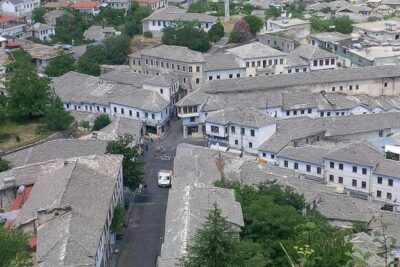
The Stone City & Blue Eye- The monument of Nature.
Read our review →
Butrint, Ksamil, Blue Eye, Lekuresi Castle. All-in-one daytrip.
Read our review →
From Durrës/Golem: Saranda, Ksamil, and Blue Eye Day Trip
Read our review →
From Durrës or Golem: Ksamil, Saranda and Blue Eye Tour
Read our review →
Butrint, Blue Eye, Ksamil and Lekuresi Castle Tour From Saranda
Read our review →
1-Day Tour in Blue Eye, Monastery, Gjirokaster and Lekursi Castle
Read our review →
Hiking Tour of Valbona, Theth & Blue Eye in 3 Days from Tirana
Read our review →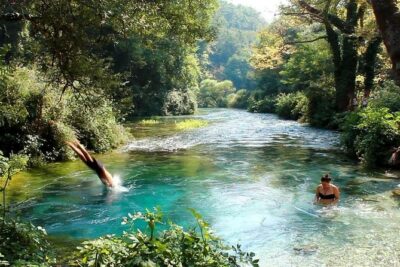
Browse the lists this tour appears in