
Reviewed · BERAT TOURS
Berat – Day Tour by ADRIATIK TOURS LLC
Berat’s great appeal is that its past is still part of its daily life. You walk through a 4th-century-BC castle where churches and mosques remain inside the walls, then look across the Osumi River toward the white Ottoman-era houses of Mangalem and Gorica. This is not just a museum stop. It is a living Albanian city.
I like the small maximum group of 13, since a guide can explain details without shouting across a bus. I also like the mix of castle history, religious art, old neighborhoods, and an optional winery visit. Guides Mario and Sara have been singled out for clear English and strong local knowledge.
The main drawback is the long road time. The drive from the Adriatik Hotel to Berat takes about two hours each way, so much of an eight-hour day is spent getting there and back. The winery stop is optional and costs extra, and the tour description does not give a fixed lunch arrangement.
Key points to know before booking
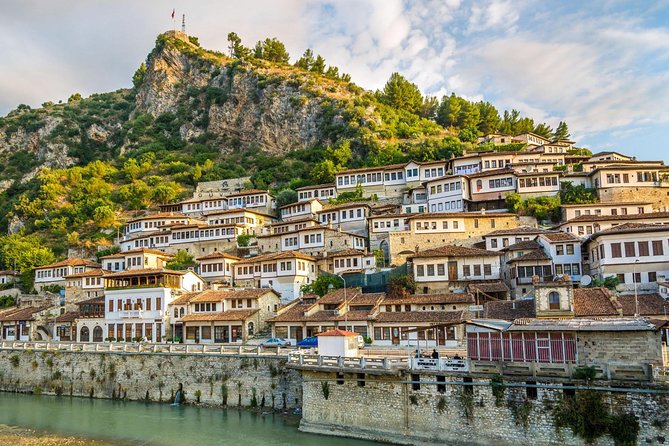
- Berat Castle is still inhabited: Expect churches, mosques, views, and uneven walking rather than a single preserved fortress building.
- The Onufri Museum is the artistic highlight: It occupies the Cathedral of Saint Mary and displays icons by the Albanian painter Onufri.
- You see both sides of the Osumi River: Mangalem and Gorica are linked by the historic Gorica Bridge.
- The group is limited to 13 people: That gives the English-speaking guide room to answer questions and adjust explanations.
- Çobo Winery is an optional extra: Allow about an hour for the tasting and winemaking presentation, with admission not included.
- The day begins at 8:30 am: Pickup is from the Adriatik Hotel, BW Premier Collection, in Durrës, and the tour returns there.
Why Berat makes a worthwhile day from Durrës
Berat is one of Albania’s most rewarding historic towns, but reaching it independently from the coast takes planning. This tour handles the transport and gives the day a clear shape: castle first, museum inside the castle, old quarters by the river, an Ottoman mosque, then optional wine tasting on the way back.
The city is a UNESCO World Heritage Site, and its character comes from the way several periods sit close together. The castle has roots reaching back to the 4th century BC. Byzantine churches remain within the walls, while Ottoman mosques reflect the period that began in Berat in 1417.
You do not need to be a specialist in Balkan history to enjoy the route. A good guide can connect the stones, icons, bridges, and religious buildings into a story you can follow. Mario, named in several accounts of the tour, is praised for speaking clear English and explaining both Berat and Albania. Sara is also noted for offering detailed information during the castle visit.
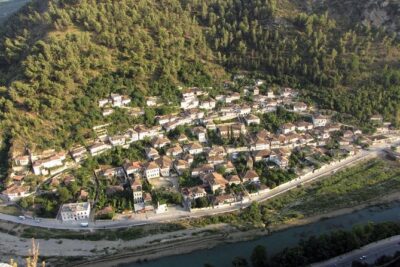
The setting helps. Berat’s old quarters sit on opposite sides of the Osumi River, with the Gorica Bridge joining them. From the higher ground around the castle, you get the broadest views of the city. Bring a camera, but also leave room in your attention for the small details: stone lanes, old religious buildings, carved wood, and the changing view as you walk.
A few more Berat days to weigh up
- Berat city UNESCO tour, the Castle & Belshi lake- From Tirana
★ 5.0 · 804 reviews - Berat Rafting, Kayaking & River Tubing – Osumi Canyons
★ 5.0 · 336 reviews - Berat-Durres and Belsh Lake, day tour from Tirana
★ 4.5 · 274 reviews
The two-hour journey from the Adriatik Hotel
The pickup point is the Adriatik Hotel, BW Premier Collection, on Rruga Pavaresia in Durrës. The tour starts at 8:30 am and ends back at the same meeting point. Pickup is offered, but the supplied details name this hotel as the start point, so confirm the arrangement if you are staying elsewhere.
The drive to Berat takes approximately two hours. That is a significant part of an eight-hour schedule, but it also makes the tour practical if you are based on the coast and do not want to arrange a rental car, taxi, or separate driver.
A small group can make the road portion more pleasant. With a maximum of 13 people, you are not dealing with a large coach crowd, and you have a better chance to hear the guide clearly. The exact vehicle is not specified, so I would not book this expecting a particular type of transport.
The early start is sensible. Berat has several separate sights, and leaving at 8:30 am gives you time to see the castle and old quarters without turning the day into a rushed checklist. Still, this is a full day with a fair amount of sitting, so it suits you best if you are comfortable with a long round trip.
Walking through Berat Castle
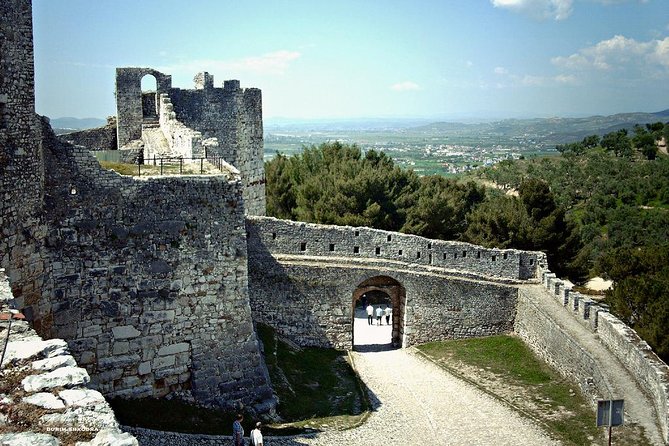
The first major stop is Berat Castle, with about two hours allocated to the visit. The fortress dates from the 4th century BC and is described as one of the largest inhabited castles in the world. That word, inhabited, matters. You are not walking through an empty ruin arranged only for sightseeing. The castle area contains religious buildings and continues to have a life of its own.
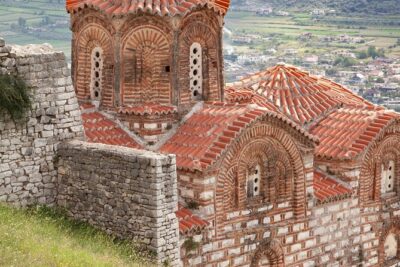
Expect a walking visit rather than a quick photo stop. The castle includes Byzantine churches and mosques built during the Ottoman period. The variety gives the tour a useful balance: you see how different faiths and political eras left their mark on the same hilltop site.
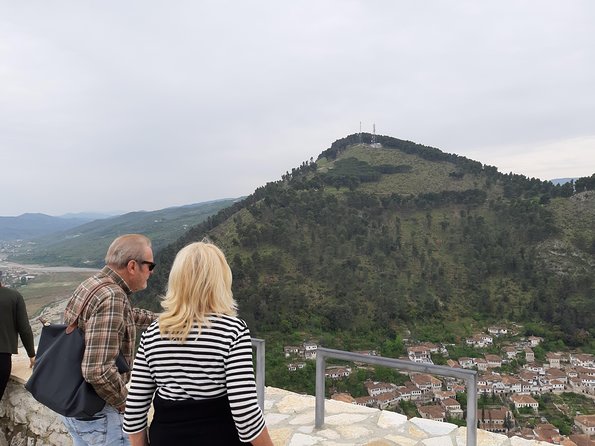
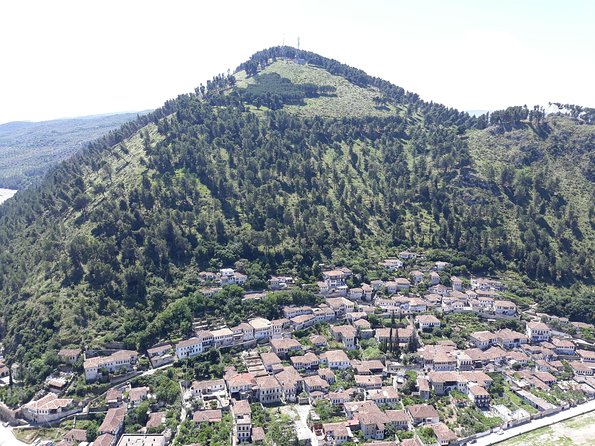
The views are another reason to give this stop time. From the castle, you can look toward the city and the river, with the old quarters spread below. Several tour accounts describe the setting as especially striking, and the two-hour allocation should let you pause rather than hurry from one building to the next.
Comfortable shoes are a practical choice. The supplied information does not specify the exact surfaces or degree of incline, but a castle walk through old quarters and religious buildings is not the same as strolling on a flat city pavement. Most people can participate, though anyone concerned about walking should ask the operator for current conditions before booking.
Your guide’s contribution is important here. The stones alone will not explain the castle’s long timeline. Mario and Sara are both associated with tours praised for clear explanations, and the guide can help you understand why Byzantine churches and Ottoman mosques appear together inside the same walls.
The Onufri Museum inside Saint Mary’s Cathedral
The walk through the castle continues to the National Iconographic Museum Onufri. You have about 30 minutes here, and admission is included.
The museum is set inside the Cathedral of Saint Mary, which was renovated in the 18th century. The building itself is part of the experience, especially the carved iconostasis. Inside, you can see icons connected with Onufri, the renowned Albanian painter whose work gives the museum its name.
This is the stop that adds art and close observation to the broader castle story. Outside, you are looking at fortifications, churches, mosques, and views. Inside, you are looking at painted religious panels and carved wood. The change of pace is welcome.
Thirty minutes is enough for an introduction, but not for a long museum study. If religious art interests you, pay close attention to the guide’s explanation and ask questions while you have the chance. One account specifically calls the iconographic museum especially interesting, and that makes sense: it is a focused collection, not just another building on a walking route.
Admission is included, so you do not need to budget a separate ticket for this stop. Photography rules and current museum procedures are not specified, so follow the guide’s instructions inside the cathedral.
A completely different kind of day from the same base:
- Berat Tour Osumi Canyons Exploration Lunch Transfer
★ 4.5 · 212 reviews - Bogove Waterfall and Osumi Canyon
★ 5.0 · 180 reviews - Osumi Canyons and Bogova Waterfall from Berat – Tour by 1001 Albanian Adventures
★ 5.0 · 177 reviews - Berat Osum Canyon & Bogove Waterfall Tour
★ 5.0 · 130 reviews
Mangalem, Gorica, and the Gorica Bridge
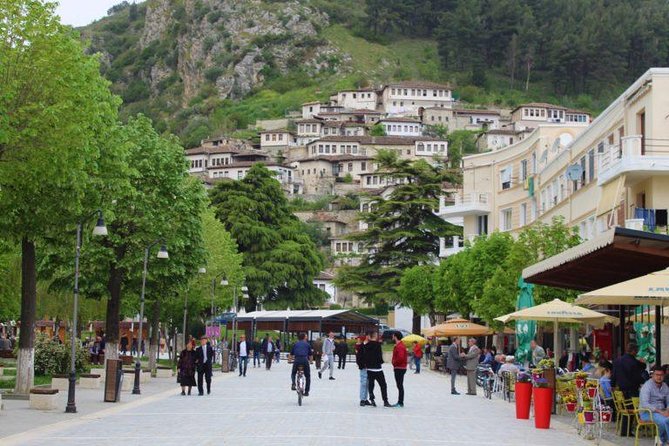
After the castle and museum, the tour moves through Berat’s older quarters. Mangalem and Gorica face each other across the Osumi River, connected by the Gorica Bridge.
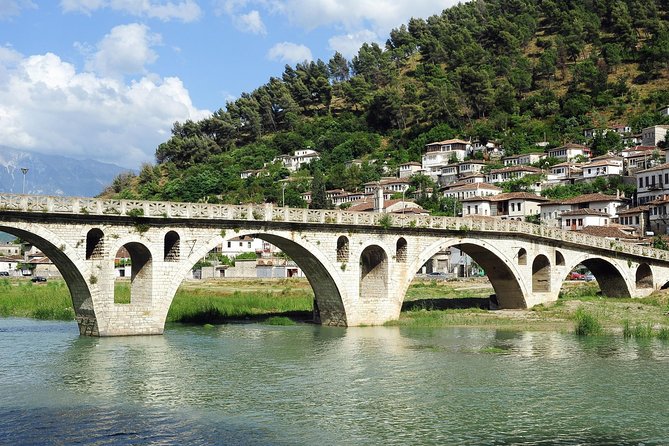
The bridge dates to the 18th century. It was first built in wood, then rebuilt in stone in 1780 during the rule of Ahmet Kurt Pasha. A full reconstruction took place between 1920 and 1930. These details give the crossing more meaning than a simple stop for photographs.
The two quarters offer a chance to see Berat at street level. The castle shows the city from above, while Mangalem and Gorica bring you closer to its homes, lanes, river, and everyday scale. You can compare the two sides as you cross, then use the bridge as a natural pause in the walk.
The duration for this section is not listed, unlike the castle, museum, and mosque. That means the exact pace may depend on the guide, group, and available time. If the old quarters are important to you, tell your guide early that you would like time for photographs and a proper walk rather than only a brief bridge stop.
The route also gives the day welcome variety. You are not spending all your time inside historic buildings. You get stone architecture, open views, water, and neighborhood streets before returning to formal monuments.
The King Mosque and Berat’s Ottoman period
The King Mosque, also called the Sultan’s Mosque or Sultan Bayezid Mosque, is the next formal sight. It was built in the 15th century by Ottoman Sultan Bayezid II and is listed as a Cultural Monument of Albania.
The visit lasts about 30 minutes, and admission is free. The mosque helps explain the Ottoman chapter of Berat’s story, which began in 1417. Seen after the Byzantine churches inside the castle, it gives you a useful sense of the city’s changing religious and political setting.
Do not expect a long independent visit. Half an hour is enough for an introduction, a look at the building, and the guide’s explanation. The supplied details do not describe current interior access rules, so follow local instructions about clothing, footwear, and photography if they apply on the day.
This stop is a good example of why the tour works best with an informed guide. A list of dates and names can feel dry, but the King Mosque makes the Ottoman period visible. You can place the building in the same city as the castle churches and understand Berat as a meeting point of several eras.
Optional Albanian wine at Çobo Winery
On the return journey, the tour can stop at Çobo Winery for about an hour. The stop is optional, and admission is not included in the tour price.
The visit includes wine tasting, an overview of the winemaking process, and an explanation of the family’s history and the origins of its wines. This is a useful addition if you want more than monuments. It gives you a taste of Albania’s food and drink culture and breaks up the return drive.
Allow for a flexible interpretation of this stop. Since it is optional and not included in the listed admission, check the cost and decide whether you want to add it. If you do not drink wine or prefer extra time in Berat, you may want to skip it.
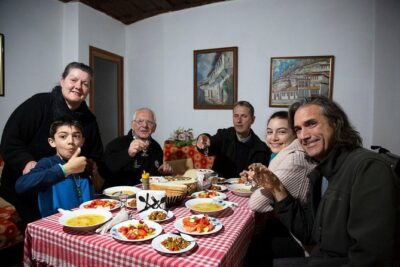
Accounts of the day also describe a stop at a local restaurant and typical Albanian food, including fresh figs and goat cheese. The detailed tour information does not list lunch as a fixed included feature, so treat food arrangements as something to confirm rather than part of the guaranteed package. The restaurant experience may depend on the day’s timing and the group’s preferences.
The winery is particularly suitable if you enjoy hearing how a family business developed its wines. It is less useful if your priority is squeezing every possible minute out of Berat’s historic center.
What the $168.58 price is buying you
At $168.58 per person, this is not a bargain-priced city transfer. You are paying for a full day, round-trip transport from Durrës, an English-speaking guide, a small group, and admission to Berat Castle and the Onufri Museum.
The value depends heavily on your starting point. If you are already in Berat, you would not need this package. If you are staying near Durrës and want to avoid arranging transport, the price becomes easier to justify, especially for a group capped at 13 people.
The included entries are useful, but the real value is the organization. Berat’s attractions are spread between the hilltop castle, riverfront quarters, and mosque. Having transport and a planned route means you can see the major pieces in one day rather than working out taxis, opening times, and return travel yourself.
The optional winery admission is separate, and lunch is not clearly specified as included. Budget for those extras if they matter to you. Also remember that the two-hour journey each way limits the time available in Berat, so you are buying convenience and guidance more than a leisurely multi-day stay.
What the guide can add to the day
The strongest praise attached to this experience concerns the guides. Mario is repeatedly linked with good English, clear explanations, and strong knowledge of Berat and Albania. Sara is also described as offering interesting information during the castle visit.
That matters because the tour covers a lot of ground in a short time. Without context, the castle can seem like a collection of old walls, and the museum can be difficult to read quickly. A guide who explains the sequence of Byzantine, Ottoman, and later periods helps you see how the sites connect.
The small-group format should also make it easier to ask questions. You can ask Mario or another guide about the bridge, religious buildings, local food, or points of interest in Durrës and Tirana. One account describes receiving suggestions for additional places in those cities after the tour, though that should be viewed as a helpful possibility, not a promised service.
The operator has received a 4.8 rating from 12 submitted ratings, with 100 percent recommendation shown in the supplied information. That is a positive signal, but it is still a modest number of ratings. I would put the most weight on the repeated comments about organization, friendly service, and guide quality.
Who should book this Berat day tour?
This tour suits you if you are staying in Durrës, want to see Berat in one day, and prefer a guide-led route to independent planning. It is also a good match if you like a mixture of history, religious art, architecture, river views, and food or wine.
It is less suitable if you want a slow stay in Berat, long museum visits, or complete control over your schedule. The drive takes about two hours each way, the day lasts around eight hours, and the winery stop is optional rather than built into a fixed sightseeing plan.
I would also think carefully about walking comfort. The castle and old quarters call for time on foot, and the exact route conditions are not detailed. Most people can participate, but ask before booking if you have mobility concerns.
You receive booking confirmation at the time of purchase, and free cancellation is available up to 24 hours before the local start time. Cancellations or changes made inside that window are not refundable or accepted.
Should you book it?
Book this tour if you want an organized introduction to Berat from Durrës, especially with a small group and an English-speaking guide such as Mario or Sara. The castle, Onufri Museum, old quarters, Gorica Bridge, and King Mosque make a well-rounded day, and Çobo Winery gives you an optional local-food-and-wine angle.
Skip it if you are already staying in Berat, dislike long drives, or want to explore at your own pace. For everyone else, the price is reasonable when you value door-to-door planning, included castle and museum admission, and a guide who can make sense of a complicated old city in a single day.
FAQ
Where does the tour begin?
The tour begins at 8:30 am at the Adriatik Hotel, BW Premier Collection, on Rruga Pavaresia in Durrës.
Where does the tour end?
The activity ends back at the Adriatik Hotel meeting point.
How long is the tour?
The tour lasts approximately eight hours.
How long does it take to reach Berat?
The journey from the Adriatik Hotel to Berat takes approximately two hours.
Is transportation included?
Round-trip transfers from select Durrës hotels are offered. The listed meeting point is the Adriatik Hotel, so confirm pickup details if you are staying elsewhere.
Is the tour offered in English?
Yes. The tour is offered in English.
What is the maximum group size?
The tour accepts a maximum of 13 people.
Are entrance fees included?
Admission to Berat Castle and the National Iconographic Museum Onufri is included. Admission to the King Mosque is free. The Çobo Winery stop is optional, and its admission is not included.
Can I cancel for a full refund?
Yes. You can cancel at least 24 hours before the experience starts for a full refund. Cancellations or changes made less than 24 hours before the start time are not accepted for a refund.
Just added around Berat
- Berat Cooking Class- Traditional Albanian Cooking Class★ 5.0 · 9 reviews
- From Tirana Wine Tasting & Food tour in Berat★ 5.0 · 5 reviews
- Day Tour of Berat and Ancient City of Apollonia★ 5.0 · 4 reviews
- Berat Guided Trip to Mount Tomorr and Bogove Waterfall★ 5.0 · 15 reviews
- TOMOR MOUNTAIN HIKING from Berat by 1001 Albanian Adventures★ 5.0 · 8 reviews
- SOTIRA WATERFALL HIKING/TREKKING from Berat by 1001 Albanian Adventures★ 5.0 · 3 reviews
- Private Full Day Tour from Tirana to Berat and Durres★ 5.0 · 7 reviews
- Osumi Canyons and Bogova Waterfall Tour★ 5.0 · 19 reviews
Berat Tours, compared.
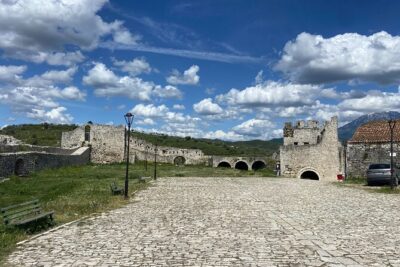
Berat city UNESCO tour, the Castle & Belshi lake- From Tirana
Read our review →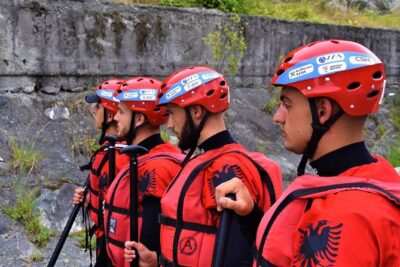
Berat Rafting, Kayaking & River Tubing – Osumi Canyons
Read our review →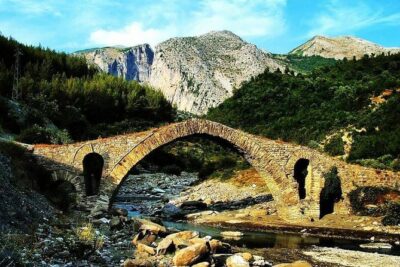
Osumi Canyons and Bogova Waterfall from Berat – Tour by 1001 Albanian Adventures
Read our review →
Berat Cooking Class- Traditional Albanian Cooking Class /By Vato
Read our review →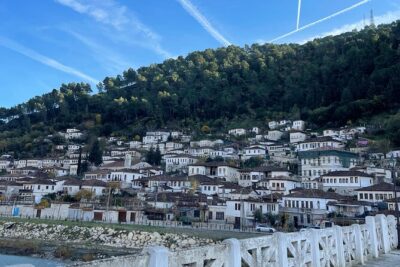
Browse the lists this tour appears in