
Reviewed · CITY TOURS
TIRANA Walking Tour: Discover the ever-changing capital city
Tirana’s story is easiest to grasp on foot, where Ottoman traces, Communist-era buildings, new cafés, and lively public spaces sit close together. This tour links the city’s main sights in a compact route, with the National Historical Museum and the Clock Tower giving useful context before the walk moves into Tirana’s modern districts.
I especially like the small maximum group of 15 and the chance to hear local history from guides such as Gloria and Ilir. I also like the mix of major landmarks and less obvious stops, including the Tanners’ Bridge and the former Communist district of Blloku. The main drawback is that the National Gallery is currently closed, and the walk can feel demanding in hot weather.
Key points to know before you book
- Start at Skanderbeg Square: The 9:30 am meeting point is Tirana International Hotel, right beside the capital’s central square.
- Climb 90 steps for city views: The 35-meter Clock Tower offers a quick workout and a useful look over central Tirana.
- See the National Historical Museum: Your entry ticket is included, giving the tour a stronger historical backbone than a simple exterior sightseeing walk.
- Hear two very different Tiranas: The route connects Ottoman landmarks and Communist-era sites with today’s cafés, galleries, and nightlife district.
- Expect a real walking tour: It lasts about 3 to 4 hours, with no hotel pickup, food, or drinks included.
- Guides add personal value: Gloria and Ilir have led particularly strong tours, with Ilir praised for his English and lively explanations of Albanian history.
Tirana in one morning, from Ottoman square to modern nightlife
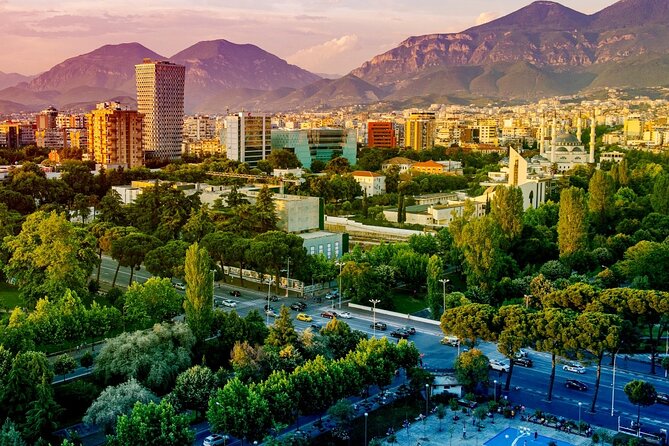
At $42.10 per person, this is priced as a midrange city walking tour rather than a quick introductory stroll. The value depends on what you want from Tirana. If you only need directions to the main sights, you can cover much of the route yourself. If you want the political and cultural meaning behind those sights, the guide is the reason to book.
The route takes roughly 3 to 4 hours and returns to the same meeting point. That makes it easy to fit into a short stay, a morning before an afternoon excursion, or the first full day of a visit. You walk between stops, so wear comfortable shoes and bring water, especially in warm weather.
The group can reach 15 people, but some departures have been much smaller. One tour became a private experience with only one person, while another had three people. You should not count on that, but the limited group size gives the guide room to answer questions and adjust the discussion.
English is the offered language. Guides Gloria and Ilir are specifically associated with strong experiences. Gloria is described as warm, patient, and thorough, while Ilir is especially good for visitors who want extended discussion of Albanian history and modern life. One guide even stopped for a drink on a hot day, though food and drinks are not part of the tour price.
More City Tours in Tirana
- Best of Local Food & City Tour of Tirana – Food & Drinks Included
★ 5.0 · 160 reviews - City Tour of Tirana & Dajti Mountain with Pickup
★ 4.5 · 59 reviews - Tirana City Private Arrival or Departure Airport Transfer
★ 4.5 · 36 reviews
Skanderbeg Square puts Albania’s past in one frame
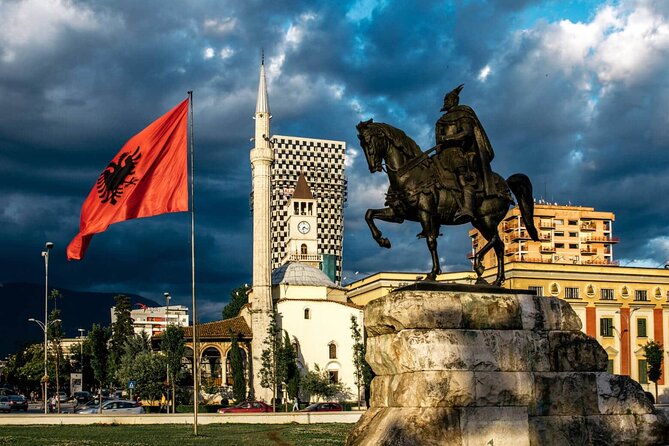
The tour begins at Skanderbeg Square, Tirana’s broad central gathering place. It is named for Albania’s medieval national hero, Skanderbeg, and is surrounded by several of the city’s most important buildings.
You’ll spend about 30 minutes here learning how Tirana’s urban face has changed through the 20th century. The square is useful because you can read several chapters of Albanian history without moving far. The National Historical Museum points toward the country’s long national story. The National Opera House reflects the capital’s public cultural life. The Clock Tower recalls Ottoman Tirana, while Et’hem Bey Mosque preserves one of the city’s most important religious landmarks.
This opening is more than a photo stop. Tirana has changed quickly, and the square continues to change with it. A guide can explain why the buildings look so different from one another and how the capital moved from Ottoman rule through monarchy, Communist rule, and the present day.
The meeting point is Tirana International Hotel at Sheshi Skënderbej 8. The scheduled start is 9:30 am. Arrive ready to walk, since the square is only the beginning.
The Clock Tower rewards a 90-step climb
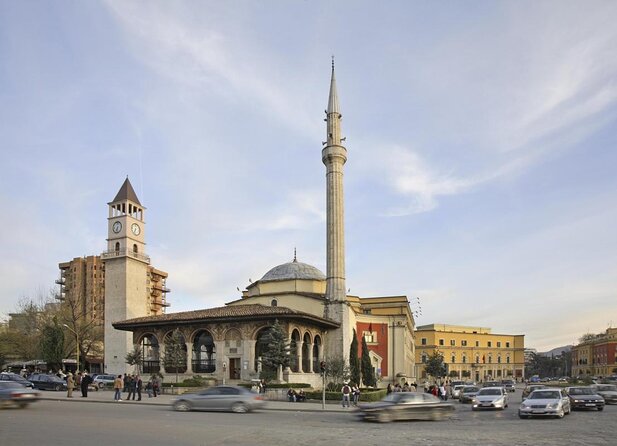
The Clock Tower was built in 1840 during the Ottoman period and opened to visitors in 1996. Reaching the top means climbing 90 steps, a manageable ascent for most people but still something to consider if you have limited mobility or dislike narrow stairways.
At 35 meters tall, it was once Tirana’s highest building until 1970. Today, newer high-rise construction surrounds it, changing the view and limiting the sense of isolation the tower once had. Even so, the top provides a rare panorama over the city center.
You’ll spend about 20 minutes here, and admission is included. The climb gives the tour a physical change of pace after the square. It also helps you see how quickly Tirana has grown around its older core.
Do not expect a sweeping mountain panorama or a long visit inside the tower. The value is the short climb, the central view, and the chance to understand the tower’s former importance in the city.
Et’hem Bey Mosque preserves a delicate old Tirana
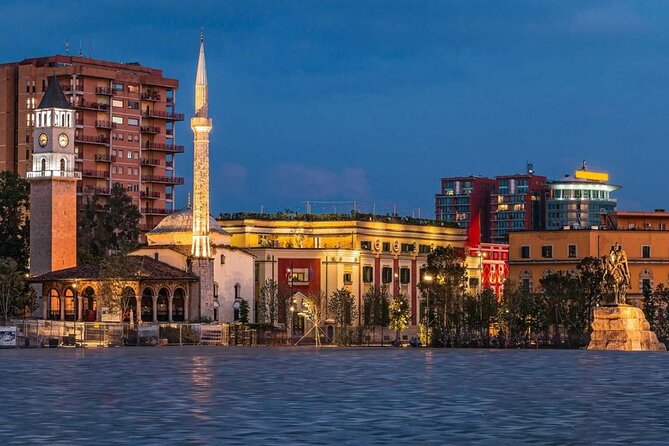
The Et’hem Bey Mosque is one of the most important stops on the route. Built in 1823, it survived Albania’s Cultural Revolution, when religious institutions across the country were closed or damaged. That survival gives the mosque unusual importance in a city where much of the religious past was suppressed.
Inside, restored floral designs and colorful frescoes offer a sharp contrast to the plain public architecture found elsewhere in central Tirana. The guide also explains the place of Islam in Albania, including the country’s layered religious past.
The visit lasts about 15 minutes, and admission is included. That is enough time for a focused look rather than a long architectural study. Dress and behave respectfully, as this remains a religious site used by both worshippers and visitors.
This stop is especially useful if you are new to Albanian history. It shows that the country’s story cannot be reduced to one faith, one empire, or one political period. The mosque gives the tour a quieter and more personal moment after the broad public space of Skanderbeg Square.
More Walking Tours in Tirana
- Walking Tour of Tirana
★ 5.0 · 646 reviews - Local food experience & walking tour of Tirana
★ 5.0 · 192 reviews - Tirana Walking Tour: History, Culture &Gems by a Passionate Guide
★ 5.0 · 52 reviews - Walking tour of Tirana; History & Culture
★ 5.0 · 37 reviews
Murat Toptani Street leads to Tirana Castle’s café quarter
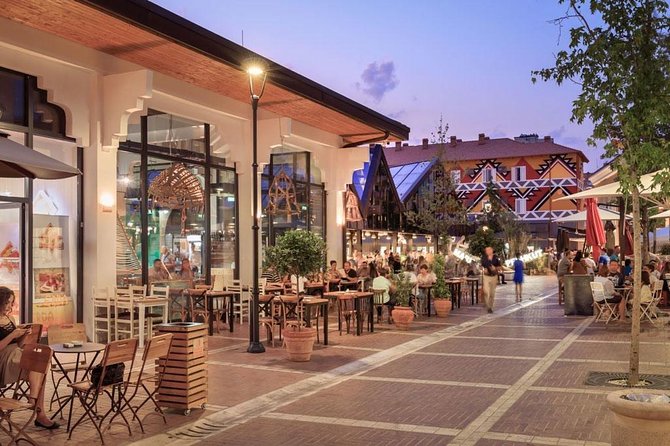
From the central square, the walk continues along Rruga Murat Toptani toward Tirana Castle. The name suggests a grand fortified site, but you should adjust your expectations. Very little of the original castle remains above ground.
Excavations in 2001 and 2008 revealed traces of walls dating from the period of Emperor Justinian, around the fourth to sixth centuries. Wars and later destruction took much of the structure away. What you see today is less a preserved fortress than a lively urban quarter built around fragments of the old site.
The route spends about 20 minutes here. The area now has cafés, restaurants, art galleries, and small artisan businesses. It is popular at different times of day and night, making it a good place to return after the tour if you want to eat or browse.
I like this stop because it shows how Tirana uses old foundations in a modern city. You are not simply looking at ruins behind a fence. You are seeing history mixed with daily life. The limitation is clear too: visitors seeking a substantial castle will find only a small amount of visible masonry.
The Tanners’ Bridge tells a quieter Ottoman story
The Tanners’ Bridge, known locally as Ura e Tabakëve, is one of the route’s more unusual stops. This stone footbridge dates from the 18th-century Ottoman period and once linked Tirana with the eastern highlands.
Farmers used the crossing to bring produce and livestock into the city. Its name comes from tabakë, a term connected with butchering and tanning. The bridge crossed the Lana stream until the 1930s, when the river was diverted. After that change, the bridge fell into poor condition.
Restoration in the 1990s repaired the original stones and cleaned up the foundations. An artificial pond was created on each side, and the bridge is now used only by pedestrians. You’ll spend about 10 minutes here.
This is not a major monument in scale, but it gives you a glimpse of how Tirana functioned before modern roads and new construction reshaped the city. I find small infrastructure like this more revealing than another grand government building. It connects the capital to farmers, tradespeople, and the countryside that supported it.
The National Gallery area reveals Communist-era shadows
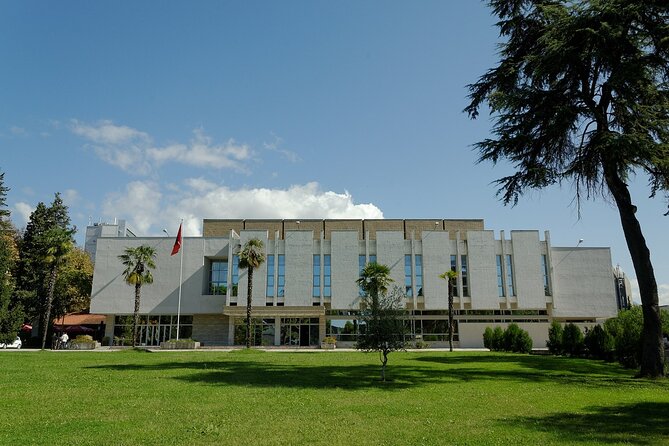
The Albanian National Gallery of Arts was founded in 1954 and is known for social realist art and Albanian figurative painting. At present, it is temporarily closed for expansion, so the tour does not include an interior visit.
You’ll spend about 10 minutes around the building. That may sound brief, but the surrounding area includes an unusual reminder of the Communist period: statues of Communist leaders such as Stalin and Lenin are located nearby, partly hidden from casual view.
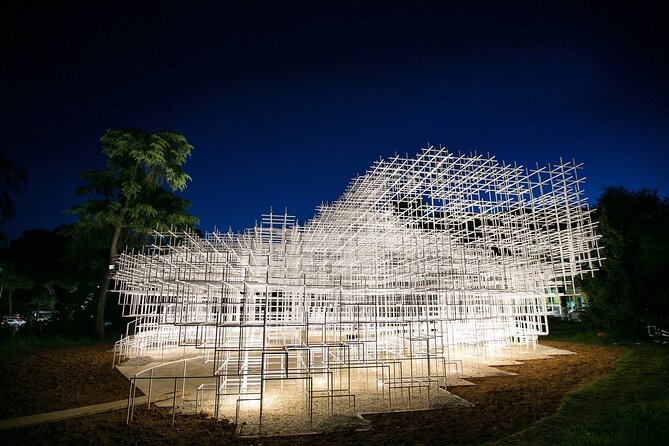
In front of the gallery is Reja, or The Cloud, designed by Japanese architect Sou Fujimoto. Its open structure has become a venue for film screenings, performance festivals, and live concerts. The pairing is striking. One side of the area points toward state-sponsored art and Communist political imagery. The other looks toward contemporary design and public events.
Admission to the gallery is not included, and the building’s temporary closure is an important limitation. Still, the stop works well as a short lesson in how Tirana handles its recent past while making room for new cultural uses.
Blloku shows the city’s sharpest change
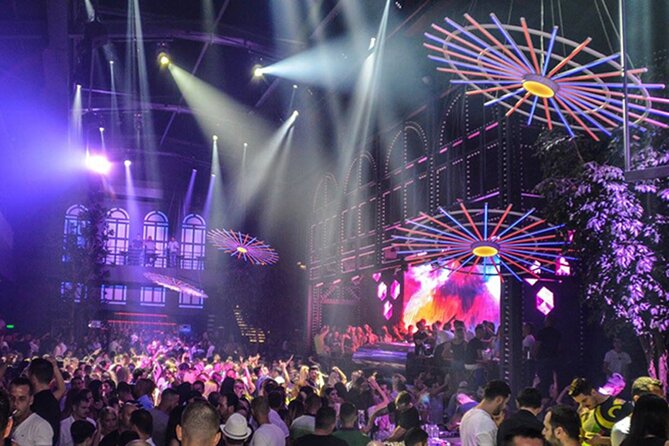
The final major stop is Blloku, one of Tirana’s best-known districts. Today it is filled with cafés, bars, restaurants, boutiques, and upscale homes. It is the part of the route most likely to feel polished, social, and modern.
During Communist rule, Blloku was closed to ordinary citizens and reserved for the party elite. Enver Hoxha, Albania’s long-serving dictator, had his villa here. The area therefore carries a strange double identity. It is now associated with nightlife and stylish dining, but its streets once marked privilege and political control.
The tour also points out the office of Albania’s president, known as Presidenca e Republikës. You’ll spend about 15 minutes in the district, enough to understand its role but not enough for a full evening visit.
I would return to Blloku after the tour if you want to see it when the cafés and bars are most active. During the morning walking tour, the emphasis is on the contrast between the old closed-off political quarter and the open commercial district you see today.
What the $42.10 price really covers
The fee includes the guided city tour, a qualified English-speaking guide, the Clock Tower ticket, and the National Historical Museum ticket. That combination makes the price reasonable if you value explanation and want two paid sights built into one morning.
You do not pay for hotel pickup, food, drinks, tips, or optional activities. The tour begins and ends at Tirana International Hotel, so you need to make your own way there. The return to the same point is convenient for planning, but it also means the tour does not deliver you to a different neighborhood for lunch or afternoon sightseeing.
The National Museum is an important part of the value. It gives you an indoor place to connect the monuments and political periods discussed during the walk. However, the museum has occasionally been closed unexpectedly. On one such occasion, the guide offered cake and tea at a nearby café instead. That was a considerate solution, but you should understand that the included ticket does not guarantee access if the museum is closed.
Free cancellation is available up to 24 hours before the 9:30 am start for a full refund. Changes made inside that window are not accepted, and poor weather can lead to a rescheduled tour or full refund. Since this is an outdoor walking experience, check the forecast and choose light clothing, comfortable shoes, and sun protection when needed.
Who will get the most from this walk
I would recommend it to a first-time visitor who wants a clear introduction to Tirana without spending an entire day on a formal sightseeing program. The route covers national history, religion, Ottoman architecture, Communist politics, contemporary culture, and present-day nightlife in one morning.
It also suits you if you enjoy asking questions. The strongest part of the experience is the guide’s explanation, especially with Gloria or Ilir. Ilir’s English and enthusiasm for the city’s past are particularly useful if you want more than dates and building names.
The tour is a good match for solo visitors and couples who prefer a planned route. The small group limit makes it less impersonal than a large coach excursion. Most people can take part, and service animals are allowed. Still, you should be comfortable walking for several hours and climbing the Clock Tower’s 90 steps.
I would hesitate if your main goal is museum time, a major castle, or a full visit to the National Gallery. The castle has few visible remains, and the gallery is temporarily closed. I would also think twice on a very hot day unless you are prepared for a long walk and the possibility of a brief drink stop.
Should you book the Tirana Walking Tour?
Book it if you want to understand how Tirana moved from Ottoman town to Communist capital to modern café city. The route is well chosen, the National Historical Museum and Clock Tower tickets add real value, and guides such as Gloria and Ilir can turn a compact walk into a useful introduction to Albania.
Skip it if you prefer exploring at your own pace, already know Tirana’s central sights, or want a tour focused on art inside museums. For most first visits, though, the $42.10 price is fair for a 3 to 4 hour guided walk with several included admissions and a maximum group of 15.
FAQ
Where does the Tirana walking tour start?
It starts at Tirana International Hotel, Sheshi Skënderbej 8, Tiranë 1001, Albania.
What time does the tour begin?
The scheduled start time is 9:30 am.
Where does the tour finish?
The experience ends back at the original meeting point at Tirana International Hotel.
How long does the walking tour last?
It lasts approximately 3 to 4 hours.
What language is offered?
The tour is offered in English.
Is admission to the National Historical Museum included?
Yes. The National Historical Museum ticket is included in the tour.
Is the Clock Tower ticket included?
Yes. Admission to the Clock Tower is included.
Is admission to the National Gallery of Art included?
No. Admission is not included, and the gallery is currently temporarily closed for expansion.
Are food and drinks included?
No. Food and drinks are not included. Tips, gratuities, and optional activities are also separate.
Can I cancel for a full refund?
Yes, if you cancel at least 24 hours before the experience start time. Cancellations made less than 24 hours in advance are not refundable. If poor weather causes the tour to be canceled, you will be offered another date or a full refund.
Just added around Tirana
- Shen Gjergji Waterfall & Tirana Sunset Included Dinner★ 5.0 · 9 reviews
- Wine Tasting & Vineyards Escape near Tirana★ 5.0 · 18 reviews
- 2-Day Private Ohrid Tour in Skopje, Prishtine Trip and Prizren★ 5.0 · 8 reviews
- Private Transfers from Tirana International Airport to Sarandë★ 4.5 · 3 reviews
- UNESCO heritage in Albania – 4 days★ 5.0 · 3 reviews
- Transfers Tirana Airport – Sarande – Ksamil – Airport Tirana★ 4.5 · 3 reviews
- Cooking Class & Traditional Albanian Dinner★ 5.0 · 15 reviews
- Traditional Albanian and Mediterranean Dinner★ 5.0 · 9 reviews
City Tours, compared.
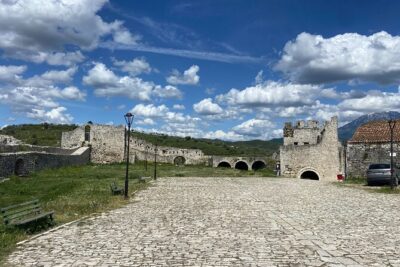
Berat city UNESCO tour, the Castle & Belshi lake- From Tirana
Read our review →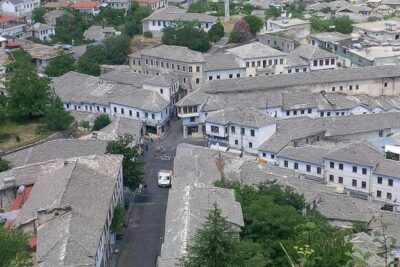
The Stone City & Blue Eye- The monument of Nature.
Read our review →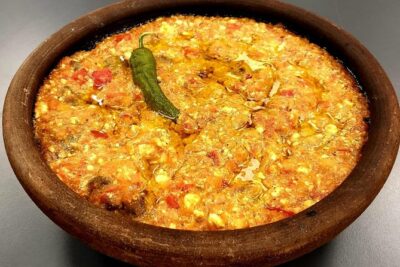
Best of Local Food & City Tour of Tirana – Food & Drinks Included
Read our review →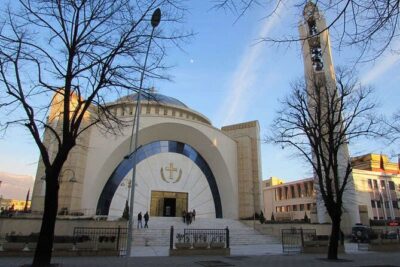
City Tour of Tirana & Dajti Mountain with Pickup
Read our review →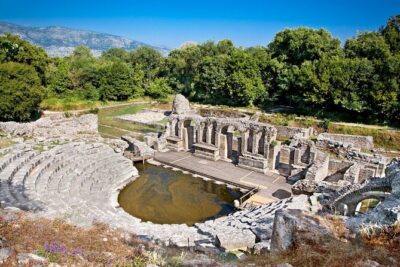
Tour to Butrint Antic City/Blue Eye Spring/Lekursi Castle
Read our review →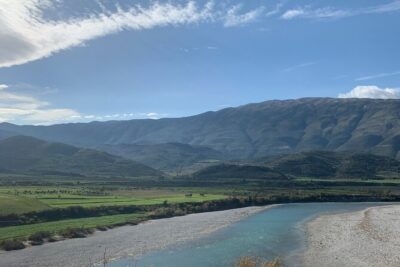
Gjirokastra & Bylis Illyrian City Day tour Tirana/Durres/Golem
Read our review →
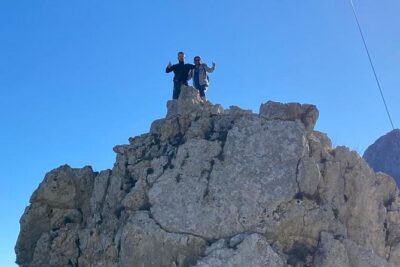
Private Bovilla Lake and Kruja City Day Tour from Tirana
Read our review →Browse the lists this tour appears in