
Reviewed · HISTORICAL TOURS
Walking tour of Tirana; History & Culture
Tirana’s story comes into focus when you walk from Postbllok’s communist memorials to the cafes and street art of Blloku, once reserved for the ruling elite. This tour links Albania’s Ottoman, communist, and modern chapters without burying you in dates.
I like the small maximum of eight people, which leaves room for questions and personal stories. I also like the guide’s local perspective: Markel has shared family insight into life under communism, while Angelo and Gjergj have been praised for clear historical explanations and friendly conversation. The main consideration is pace: you cover many places in about two to three hours, so several stops are quick looks rather than full visits.
Key points to know before you book
- Communist Tirana in plain view: Postbllok and the former home of Enver Hoxha give the recent past a human scale.
- A compact group of up to eight: You get a better chance to ask questions than on a large city walk.
- A useful first-day route: The walk covers major central sights and helps you get your bearings.
- Several faiths in one short circuit: Orthodox, Muslim, Bektashi, and Catholic traditions are placed in the wider story of Albania.
- A low price with some extras: At $17.97, the tour is good value, but museum and tower admission, food, drinks, and personal spending cost extra.
- English with local guides: Markel, Angelo, and Gjergj are names associated with the tour, though the assigned guide can vary.
Tirana’s past begins at Postbllok
You meet your local companion at the Choose Balkans office on the third floor of Tower 2 at the Twin Towers on Bulevardi Dëshmorët e Kombit. The office is easy to identify by its address, but give yourself enough time to find the correct tower and floor.
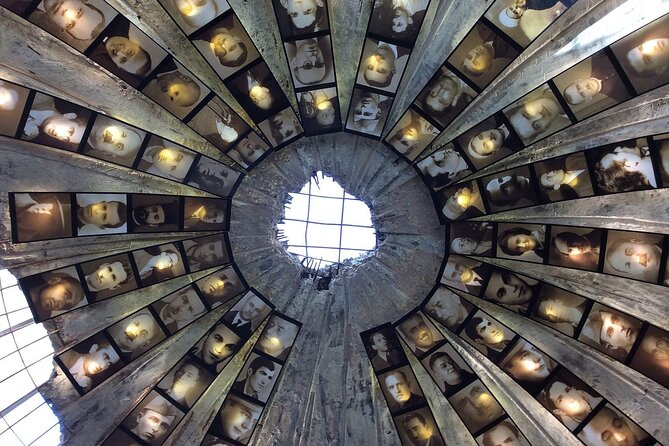
The first substantial stop is Postbllok, or Checkpoint, opposite the government building. This memorial recalls Albania’s years of communist isolation and the political prisoners who suffered under the regime. It is not a grand monument designed for a quick photograph. Its value comes from the pause it creates at the start of the walk.
I like this opening because it gives the rest of Tirana a frame. You are not simply seeing attractive streets and old buildings. You are starting with the cost of state control, then moving through the city that followed.
Allow about 30 minutes here. That is one of the longer stops, and rightly so. A good guide can explain how the communist period shaped daily life, not just political institutions. Markel has been praised for adding personal and family context to this part of Albania’s story, while Angelo has been described as especially strong on the country’s journey from the Ottoman era through communism and into modern life.
More History Tours in Tirana
- Tirana Walking Tour: History, Culture &Gems by a Passionate Guide
★ 5.0 · 52 reviews - Private Full-Day Historical Day Tour in North Macedonia and Albania
★ 5.0 · 18 reviews - Walking Tour Historic Jewels in Tirana
★ 5.0 · 17 reviews
Blloku, from forbidden quarter to social center
From Postbllok, the walk heads into Blloku, one of Tirana’s best examples of change. During the communist period, this area was restricted to members of the Albanian politburo. Today, it is filled with cafes, boutiques, color, and street art.
The scheduled look at Blloku is only about 10 minutes, so do not expect a long neighborhood wander. Instead, use it as a sharp contrast with the memorial you have just visited. The same city that once separated the ruling class from ordinary people now presents the district as a fashionable part of daily life.
The route also passes the former residence of Enver Hoxha. You spend roughly 10 minutes in this area. It is a useful stop because the communist leadership is no longer an abstract idea from a museum display. Its private world occupied a real part of the city, close to streets now used for coffee, shopping, and evening life.
If you care most about food or nightlife, Blloku is a place to note for later. The walk does not include lunch or drinks, so you can return after the tour and explore on your own. That is a practical advantage: the guide introduces the area, but your time and spending remain flexible.
Two cathedrals and the religious story of Albania
The Resurrection of Christ Orthodox Cathedral is one of the route’s important reminders that Albania cannot be reduced to a single religious identity. The stop lasts about 15 minutes, and admission is not included.
The tour also discusses Albania’s Muslim communities, including Sunni and Bektashi traditions, along with Orthodox and Catholic communities. That religious mix matters because the country’s story includes Ottoman rule, communist suppression of religious practice, and the return of open worship in the modern period.
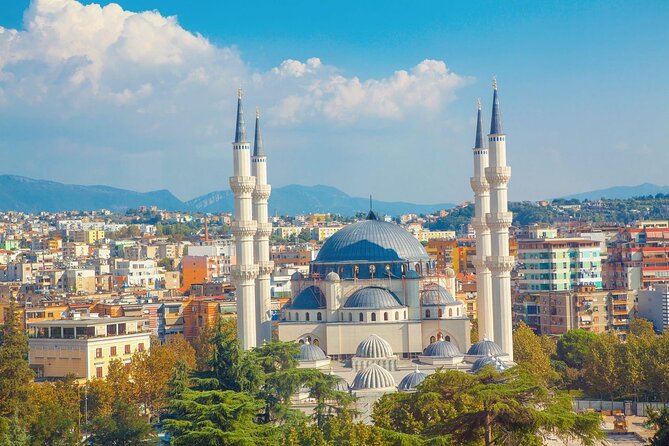
The route later passes the large Namazgah Mosque, the Orthodox Cathedral, and St. Paul’s Cathedral. The description identifies Namazgah as the largest mosque in the Balkans. You will not spend a long time at each religious site, but seeing several traditions within one central walk gives the subject useful shape.
Gjergj has been praised for handling more than one language during a tour, including French and English, while keeping the historical meaning clear. The tour is offered in English, but the guide assigned to your departure may vary. If the religious history of Albania is a major reason for booking, this is a good place to ask questions rather than simply follow the route silently.
House of Leaves and the machinery of surveillance
The Museum of Secret Surveillance, known as the House of Leaves, is one of the most serious stops. The tour allows about 15 minutes, and the admission fee is not included.
The building is tied to Albania’s secret surveillance system. Even with a short visit, it adds weight to the earlier discussion of political prisoners and communist isolation. You get a chance to connect public monuments with the methods used to watch and control people in private life.
The short time is also the main limitation. A museum about surveillance can reward a slow visit, and 15 minutes may give you only an introduction if you choose to enter. Treat the guided stop as a reason to return later if the subject catches your interest. Check the admission cost before you go, since it is an extra expense.
This is one of the places where a local guide can make a real difference. Historical facts tell you what the institution was. Conversation can help explain how the period still affects family memories and the way people understand authority.
More Walking Tours in Tirana
- Walking Tour of Tirana
★ 5.0 · 646 reviews - Local food experience & walking tour of Tirana
★ 5.0 · 192 reviews - TIRANA Walking Tour: Discover the ever-changing capital city
★ 5.0 · 13 reviews - Tirana Walking Tour and Bovilla Lake (3-6 Pax)
★ 5.0 · 10 reviews
Skanderbeg Square puts the city’s symbols together
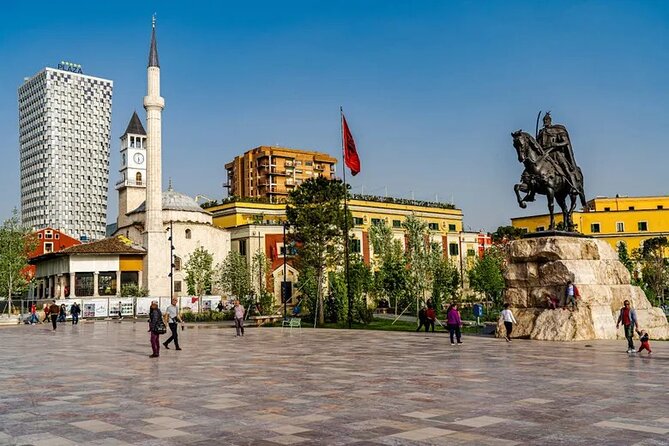
The walk then reaches Skanderbeg Square, named for Albania’s national hero Gjergj Kastrioti Skënderbeu. The square gathers many of Tirana’s major public sights in one place: the National Museum, Bank of Albania, Opera Theatre, Skanderbeg Statue, Et’hem Bej Mosque, and nearby bars.
You spend about 15 minutes here. That is enough for an introduction and orientation, but not enough for a full museum visit. I see that as a strength for a first look. You learn what is where, then decide which building deserves your own time.
The square also makes the city’s layers easy to read. National identity, Ottoman architecture, state institutions, public art, and modern dining all meet here. The guide’s job is not just to name each building, but to explain why this open space matters to Tirana.
The National Museum is listed as a surrounding landmark, not as an included museum visit. Keep that distinction in mind when planning your day. The tour price covers the local companion, not every attraction along the route.
The Clock Tower and Et’hem Bej Mosque
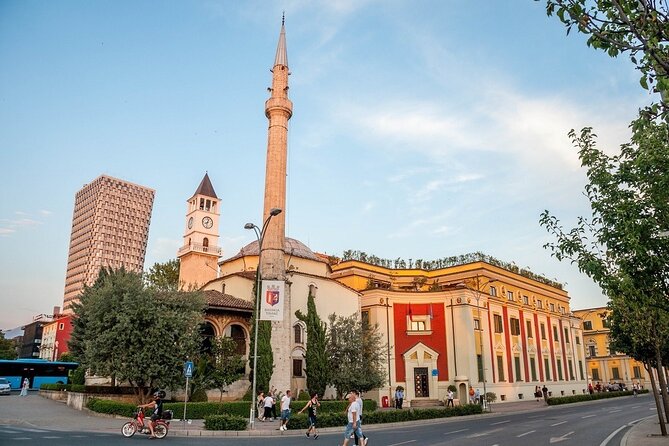
The Clock Tower receives about 15 minutes, with admission not included. It is one of the central landmarks that helps you understand the older heart of Tirana. If you want to go inside or climb it, plan for a separate ticket and ask the guide about the current visit arrangements.
Nearby, the Et’hem Bej Mosque offers another look at the city’s Ottoman-era heritage. Admission is listed as free, and the stop lasts about 15 minutes. The mosque sits beside the Clock Tower and Skanderbeg Square, so these sights work well as one compact part of the walk.
The timing here is brisk. You should expect an explanation, exterior viewing, and perhaps a brief interior visit where appropriate, not an extended architectural study. I like this arrangement for a first day in Tirana because you get a map of the historic center without giving the whole morning to one building.
Dress and behave with respect at religious sites. The supplied details do not set out a formal dress code, so your guide is the best source for current entry expectations.
Tirana Castle shows the old and new side by side
The route continues to Tirana Castle, now presented as a pedestrian street in the city center. The appeal is less about a large surviving fortress complex and more about the meeting of tradition and modern urban life.
You spend around 15 minutes here. The stop gives you a chance to see how Tirana reuses historic spaces. Small shops, food, and social life fit into an old setting, making this a pleasant change after the heavier subjects of surveillance and political repression.
Because lunch, drinks, and snacks are not included, Tirana Castle may be a useful place to plan a later meal. The tour itself keeps moving, so do not count on a long restaurant stop during the walk.
The Pyramid and Rinia Park close the route
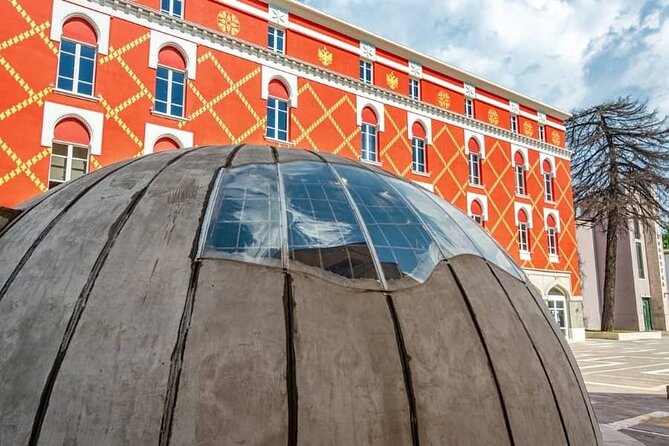
The tour is scheduled to end at the Pyramid of Tirana, with about 10 minutes there, and also includes roughly 10 minutes at Rinia Park. The Pyramid carries a strong link to Albania’s communist past, while its modern role reflects the city’s effort to use and reinterpret difficult symbols.
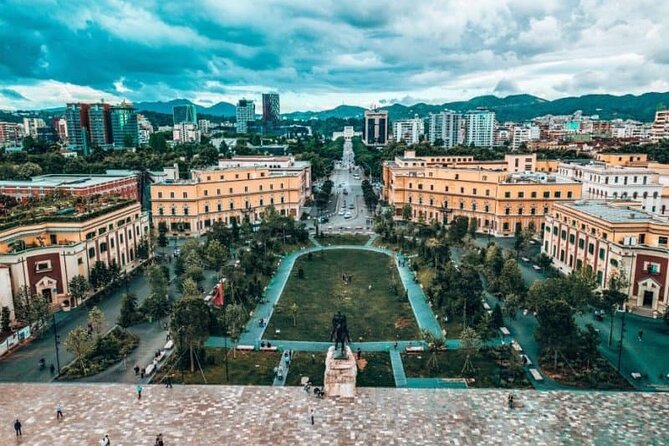
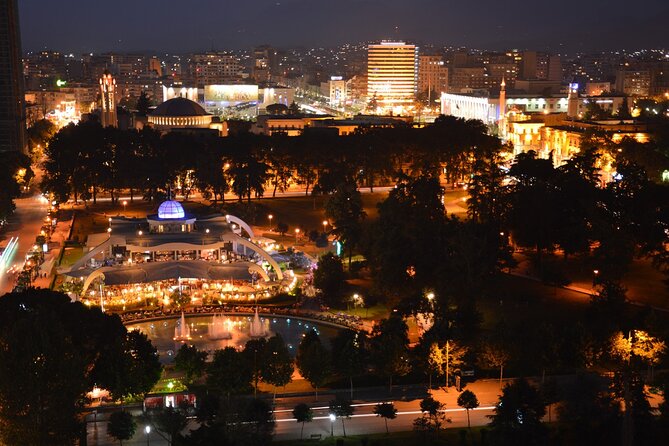
Rinia Park provides a lighter final setting. It is a central green space and a natural place to finish a city introduction before you continue sightseeing on your own.
There is a small point to clarify before booking. The route information names the Pyramid as the end of the tour and includes Rinia Park, while the meeting details say the activity ends back at the starting meeting point. Confirm the exact finish location with Choose Balkans so you can plan your next stop without guesswork.
What $17.97 really gets you
At $17.97 per person, this is a strong-value introduction to central Tirana. You are paying for a local companion, a structured route, and historical explanation across a wide range of sights. The small group limit makes the price even more appealing, especially if your guide welcomes questions and adds the personal context noted by past participants.
The price does not cover museum admission, Clock Tower admission, food, drinks, snacks, souvenirs, or other personal spending. That is not unusual for a city walk, but you should budget for the House of Leaves and any interior visit you choose.
You also need comfortable walking shoes and water, particularly in warm weather. One guide has been praised for shaping the tour to about two hours in the heat, even though the stated duration is two to three hours. The actual pace can depend on questions, group size, and how long the guide spends at each place.
The tour is available in English and accepts mobile tickets. Group discounts are listed, and free cancellation is available if you cancel at least 24 hours before the start time. Changes or cancellations inside that window are not refundable.
Who will get the most from this walk
I would choose this tour early in a Tirana stay. It covers the central sights, gives you a working map of the city, and explains why the communist period remains so important to understanding modern Albania.
It suits you especially well if:
- You want history explained in plain language rather than only a list of dates.
- You are interested in communism, surveillance, and the experience of political prisoners.
- You want to compare Muslim, Orthodox, and Catholic landmarks in one walk.
- You prefer a small group and a chance to ask questions.
- You have only a few hours and want a broad first look at Tirana.
- You enjoy local context, including family memories and present-day Albanian life.
It may be less suitable if you want long museum visits, a dedicated food tour, or plenty of unscheduled time in each neighborhood. Blloku, House of Leaves, the Clock Tower, and the Pyramid all deserve more attention than the timetable can provide.
Should you book Walking Tour of Tirana: History and Culture?
Book it if you want a well-priced first introduction to Tirana that takes the city’s difficult recent past seriously. Postbllok, Hoxha’s former residence, and the House of Leaves give the walk real substance, while Blloku, Skanderbeg Square, Tirana Castle, and Rinia Park show how the capital lives today.
The strongest reason to choose it is the guide-led conversation. Markel, Angelo, and Gjergj have each been associated with friendly explanations, strong historical range, patience, and useful personal insight. Your guide may be someone else, so do not treat a particular name as guaranteed.
Skip it if you want a slow architectural tour or a full museum experience. For most first-time visitors, though, the mix of landmarks, communist history, religious culture, and current city life makes this a sensible use of two to three hours.
FAQ
Where does the walking tour start?
It starts at the Choose Balkans Albania Tour Operator office, on the third floor of Tower 2 at the Twin Towers, Bulevardi Dëshmorët e Kombit, Tiranë 1001, Albania.
How long does the tour last?
The stated duration is approximately two to three hours. The exact length can vary with the group and the time spent discussing each stop.
What language is the tour offered in?
The tour is offered in English. Guides associated with the experience include Markel, Angelo, and Gjergj, but the assigned guide can vary.
What is included in the price?
The price includes a local companion. It does not include lunch, drinks, snacks, souvenirs, personal spending, or anything not specifically listed.
Are attraction admission fees included?
Some stops are free, including Postbllok, Blloku, Skanderbeg Square, Et’hem Bej Mosque, Tirana Castle, the Great Mosque area, the Pyramid, and Rinia Park. Admission to the Resurrection of Christ Orthodox Cathedral, House of Leaves, and Clock Tower is not included.
Can I cancel for a full refund?
Yes. You can cancel at least 24 hours before the experience start time for a full refund. Cancellations or changes made less than 24 hours before the start time are not accepted for a refund.
Just added around Tirana
- Shen Gjergji Waterfall & Tirana Sunset Included Dinner★ 5.0 · 9 reviews
- Wine Tasting & Vineyards Escape near Tirana★ 5.0 · 18 reviews
- 2-Day Private Ohrid Tour in Skopje, Prishtine Trip and Prizren★ 5.0 · 8 reviews
- Private Transfers from Tirana International Airport to Sarandë★ 4.5 · 3 reviews
- UNESCO heritage in Albania – 4 days★ 5.0 · 3 reviews
- Transfers Tirana Airport – Sarande – Ksamil – Airport Tirana★ 4.5 · 3 reviews
- Cooking Class & Traditional Albanian Dinner★ 5.0 · 15 reviews
- Traditional Albanian and Mediterranean Dinner★ 5.0 · 9 reviews
Historical Tours, compared.
Semi – Private Tour at Cape of Rodon; Hidden Beaches & History
Read our review →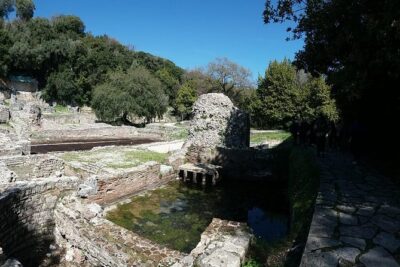
Ancient City of Butrint, UNESCO World Heritage site – A Must
Read our review →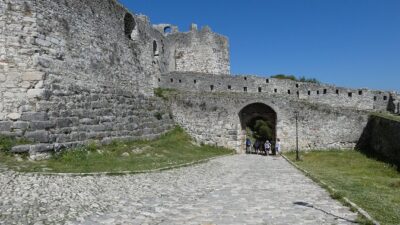
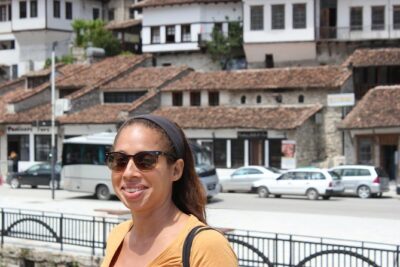
Day Trip To Berat,UNESCO Heritage with Tirana Day Trips
Read our review →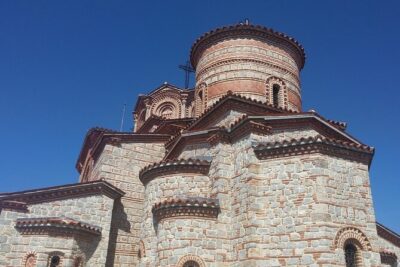
Private Full-Day Historical Day Tour in North Macedonia and Albania
Read our review →
Day Tour of Kruja and Shkoder – Discover North Albania Heritage
Read our review →Browse the lists this tour appears in