
Reviewed · MARKETS
Walking Tour “The Old Bazaar, Cfake, Dunavat, Ali Pasha Bridge”
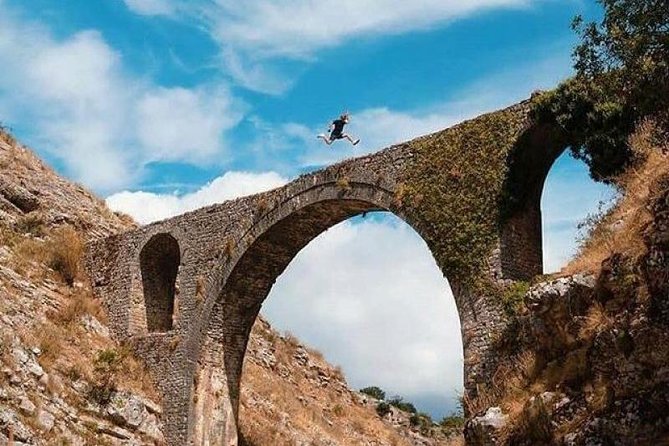
Gjirokaster’s famous castle gets most of the attention, but this walk heads into the older neighborhoods below its walls, where cobbled lanes, stone houses, sheep-dotted hills, and a centuries-old water system tell a quieter story. The destination is Ali Pasha Bridge, a surviving piece of the aqueduct built more than 200 years ago.
I like the route for two clear reasons: it shows you the town beyond its main sights, and the guides make room for local life, humor, and personal stories. Guides including Arli and Viki are praised for explaining the history clearly and adjusting the walk to match your interests.
The catch is the ground underfoot. Parts of the route are uncomfortable, and reaching the bridge itself can be difficult, so your guide may take you to a strong viewing point instead. Wear sturdy sneakers, not smooth-soled shoes.
Key points to know before you book
- A quieter side of Gjirokaster: Walk beneath the castle through the former Old Bazaar and the Cfaka neighborhood.
- Ali Pasha’s aqueduct bridge: See the remains of a water system built more than 200 years ago for the castle.
- Local guides matter: Arli, Viki, Marco, and Mario are among the guides associated with this experience.
- Three hours on uneven ground: The walk requires comfortable shoes and a reasonable level of mobility.
- Small price, substantial context: At $18.06, the tour gives you a guide and a fuller sense of Gjirokaster’s residential quarters.
- Flexible cancellation: Cancel at least 24 hours before the 9:30 am start for a full refund.
Why this walk shows you a different Gjirokaster
Gjirokaster is often reduced to its castle, slate-roofed houses, and Old Bazaar. Those sights deserve your time, but the town makes more sense when you see how its neighborhoods spread below the fortress.
This route begins at Cerciz Topulli Square, the central meeting point in the old town. From there, you move away from the most familiar visitor circuit and toward the first neighborhood outside the castle walls. The change is useful: instead of looking at Gjirokaster as a collection of postcard views, you begin to see it as a town shaped by water, steep ground, religious communities, and family homes.
I especially like the fact that the walk does not stop at a single monument. The route links several modest places that work together: a former bazaar district, an old bridge, protected houses, a tekke, rural views, and the remains of an aqueduct. That combination gives the three hours a clear purpose.
The guides also add an important layer. Arli has been praised for explaining the neighborhoods and the bridge while adapting the route when the final approach proved too difficult. Viki is from Gjirokaster and is described as able to tailor the schedule to individual interests. Marco and Mario have also led the walk with a friendly, conversational style.
Do not expect a formal lecture delivered at fixed stops. The experience is better suited to you if you like asking questions and hearing how the town works today, as well as what happened in the past.
More bazaars and markets in Gjirokaster:
- Kruja castle, the old Bazaar & Sarisalltik- Departure from Tirana
★ 5.0 · 592 reviews - Kruja, Old Bazaar, Museum,Sari Saltik tour from Tirana
★ 4.5 · 33 reviews - Guided Tour to Kruja, Holy Mountain & Old Bazaar from Durres
★ 5.0 · 29 reviews
Starting at Cerciz Topulli Square
The meeting point is Experience Gjirokastra on Rruga Gjin Zenebisi, starting at 9:30 am. The activity ends back at the same meeting point, which makes planning the rest of your day fairly easy.
Starting in the old town also saves you from spending the first part of the tour finding a distant meeting place. You begin near the central sights, then walk into less familiar streets with a guide who can explain what you are seeing.
The square is a practical place to get organized. Bring water, use the restroom before setting out if needed, and check that your shoes are comfortable. The walk lasts about three hours, and the terrain is specifically described as less comfortable than a normal town pavement.
The maximum group size is 30 people. That is not an especially tiny group, but it is still small enough for a guide to explain details as you go, especially if the group is not full. The tour is offered in English, and confirmation arrives when you book.
The Old Bazaar that is no longer a bazaar
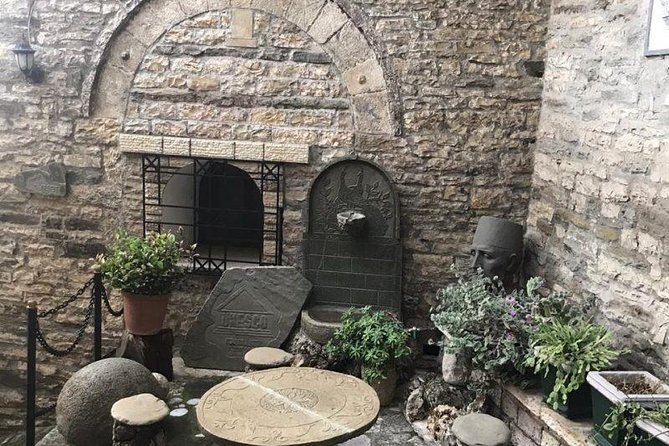
The first part leads toward the Old Bazaar, described here as the first neighborhood outside the castle walls. Its name can create the wrong expectation. You are not heading into a functioning market filled with stalls. This is an old neighborhood beneath the castle, where cobbled streets and some of Gjirokaster’s oldest houses are the main attraction.
That distinction is useful. If you want shopping, this is not the focus. If you want to understand how people lived around the castle, the area is much more rewarding.
The cobblestones give the walk character, but they also slow your pace. Gjirokaster is not a flat, polished museum town. You will be walking on uneven surfaces, and the route can feel more like a neighborhood walk than a gentle sightseeing stroll.
Look closely at the houses as your guide talks. The value is not just in seeing old stone walls. Your guide can connect the buildings to the town’s past and to life in Gjirokaster now. That mix of architecture and local explanation is one of the strongest parts of the experience.
Crossing the Zerzebili Bridge toward Cfaka
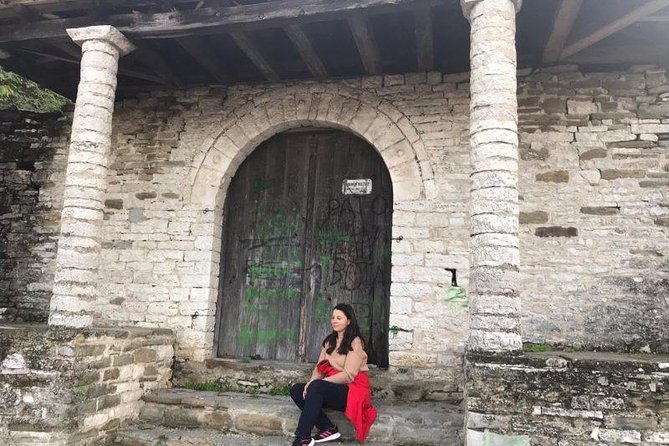
After the Old Bazaar, the route passes over the Zerzebili Bridge and continues into Cfaka, another ancient neighborhood. This transition is one of the most interesting sections because the walk becomes less about a single attraction and more about the shape of the town.
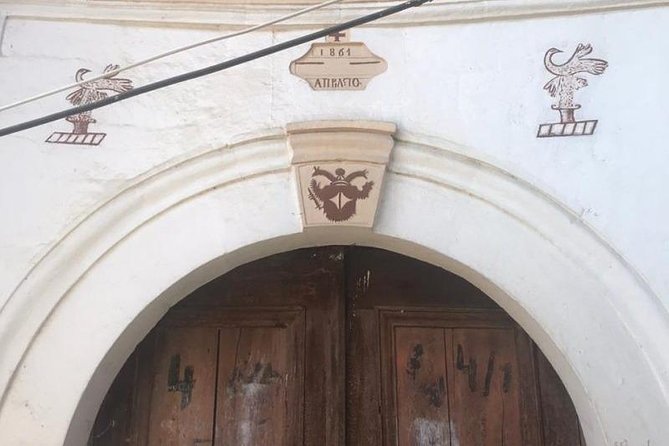
Cfaka contains old houses classified as first-category monuments. That designation signals that these are not simply aging buildings with attractive stonework. They have recognized cultural value, and your guide can help you notice the details that might otherwise pass without comment.
You may find this section slower and more rewarding if you are interested in architecture. The houses are part of the setting rather than isolated displays. You see them in relation to lanes, slopes, hills, and neighboring homes.
The route also brings you to a Bektashi tekke. The Bektashi Order is an important part of Albania’s religious heritage, and the tekke gives the walk another point of focus beyond houses and bridges. The supplied details do not promise an extended interior visit, so think of it as a place you pass and learn about rather than a guaranteed private tour of the building.
This is also the point where the physical demands of the walk become more important. The route through Cfaka is not presented as an easy paved promenade. If you have trouble on rough or sloping ground, ask about the walking conditions before booking.
A few more Gjirokaster days to weigh up
- 5-hour Tour Kruja Castle and Old Bazaar from Tirana
★ 4.5 · 16 reviews - From Tirana and Durres, Kruja Old Bazaar and Castle Day Tour
★ 4.0 · 7 reviews
Sheep, hills, and the approach to Ali Pasha Bridge
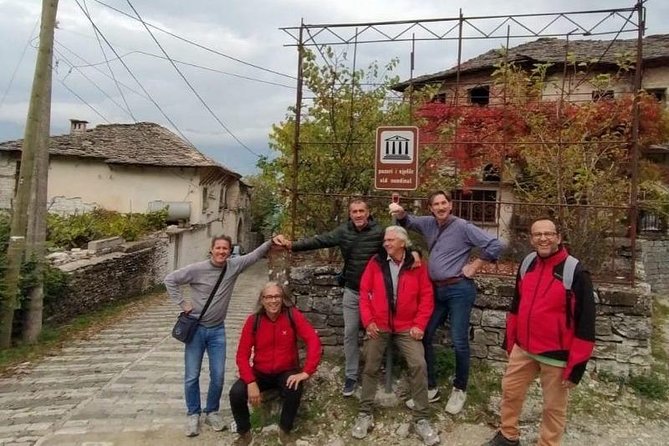
The final stretch combines old houses and open views. The description specifically mentions sheep on the hills, which gives you a glimpse of the rural surroundings close to town. This is a welcome change after the tight lanes beneath the castle.
The destination is Ali Pasha Bridge, a surviving part of the aqueduct built by Ali Pasha Tepelena more than 200 years ago. The aqueduct carried water to the castle, so the bridge is not merely a picturesque stone crossing. It represents the practical infrastructure that helped the fortress and town function.
Here, expectations matter. The actual approach to the bridge can be difficult because of the terrain. Your guide may lead you to a spectacular view of the bridge rather than take you all the way to it. That is not a failure of the tour. It is a sensible adjustment that keeps the route manageable and lets you understand the structure without pretending the ground is easy.
You should book this walk for the story behind the bridge as much as for the bridge itself. Its importance comes from its role in supplying the castle with water, and the route helps you see how far that system reached beyond the fortress.
What the guides add to the walk
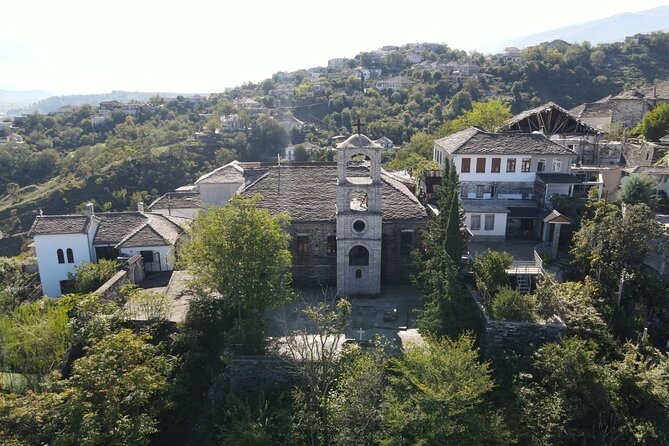
The guide is the main reason to choose this experience instead of walking the same streets alone. You could find the neighborhoods with a map, but you would miss much of the context that connects the old houses, the tekke, the bridge, and the aqueduct.
Several guide names are associated with the experience. Arli is described as especially good at explaining the historical meaning of the neighborhoods and making a difficult approach to the bridge work sensibly. Viki, a local of Gjirokaster, can adjust the schedule around your interests. Marco and Mario have led the walk in a friendly, informal way, with attention to both town history and present-day life.
That variety means the tone may differ depending on who leads your departure. The best fit is a guide who treats the walk as a conversation rather than a script. You can help by asking about the houses, local customs, religious sites, and what it is like to live in Gjirokaster today.
The English-language option is important for this route. The neighborhoods are less self-explanatory than the castle, and the historical details are easy to miss without clear narration. The English is described as strong, and the storytelling as lively and sometimes humorous.
Is $18.06 a fair price?
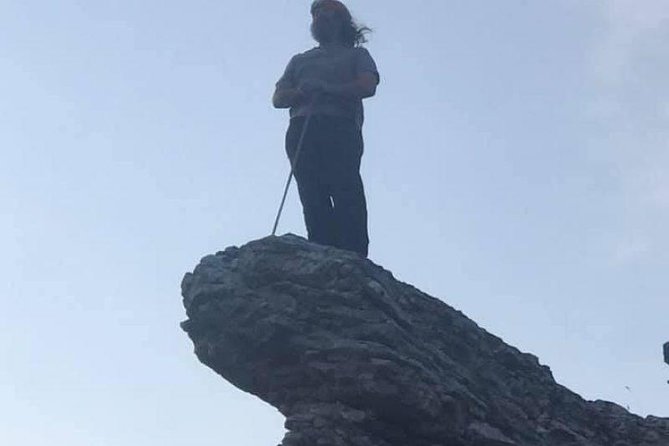
At $18.06 per person, this is a good-value guided walk if you want more than the standard castle visit. The price includes the guide, and the route lasts about three hours. That works out to a modest cost for a substantial amount of local explanation and orientation.
The value is strongest for a first visit. You learn how the old town extends beyond the central square, where the castle neighborhoods sit, and why the water bridge matters. That context can improve the rest of your time in Gjirokaster because you will recognize the town as a connected place rather than a few separate sights.
The price does not include gratuities. Plan for that separately if you feel the guide has done a good job, but the amount is not specified.
The group can reach 30 people, so you should not assume a private or highly personal tour. The price reflects a shared experience. If your priority is an intimate custom itinerary, ask about the group size at booking. If your priority is seeing areas you might skip on your own, the cost is reasonable.
Who should book this walk?
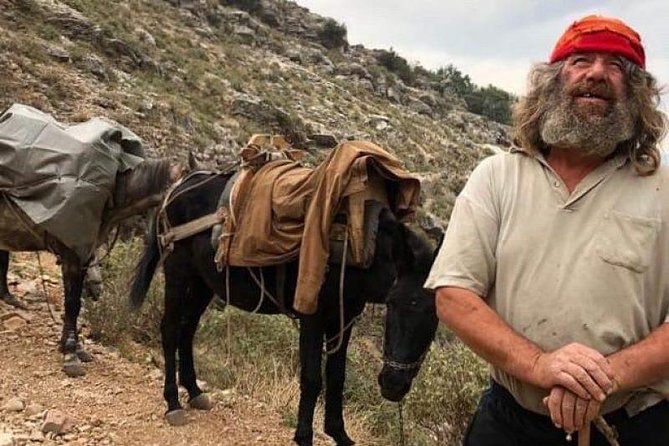
I would choose this tour if you have already decided to spend time in Gjirokaster and want to understand more than the castle and main bazaar. It suits you especially well if you enjoy old architecture, local religious history, and walks that include ordinary neighborhoods rather than only polished sights.
It is also a strong choice for visitors who prefer a guide with local ties. Viki is from the town, and the other named guides are praised for personal explanations and an easy manner. That can make a difference in a place where the most interesting details are often not labeled.
You should think twice if you want a flat route, a fully paved surface, or a guaranteed walk right up to Ali Pasha Bridge. The terrain is rough, and the bridge may be viewed from a suitable point instead of reached directly.
Service animals are allowed, the experience is near public transportation, and most people can participate. Still, the practical warning about uneven ground should guide your decision more than the general participation note. Wear sneakers with good grip and avoid carrying a heavy bag.
Timing, weather, and cancellation
The start time is 9:30 am, and the walk lasts approximately three hours. A morning departure gives you the rest of the day for the castle, museums, or a slower meal, though you should allow your own schedule some breathing room because walking times can vary with the group and terrain.
The activity requires good weather. If poor conditions cause cancellation, you are offered another date or a full refund. It also requires a minimum number of participants, so a cancellation is possible if that number is not met, with a different date, another experience, or a full refund offered.
You can cancel for a full refund up to 24 hours before the start time. Changes or cancellations made less than 24 hours before the 9:30 am departure are not accepted for a refund, and the cut-off follows local time.
Should you book the Old Bazaar, Cfaka, and Ali Pasha Bridge walk?
Book it if you want Gjirokaster’s quieter side, a local English-speaking guide, and a walk that explains why its neighborhoods matter. The combination of old houses, the Bektashi tekke, country views, and Ali Pasha’s water system gives you far more than a simple photo stop.
Skip it if rough ground is a serious problem or if you only want the most famous sights with little walking. For everyone else, $18.06 is a sensible price for three hours of context, local stories, and access to parts of town that are easy to pass by without understanding.
FAQ
Where does the tour start?
The tour starts at Experience Gjirokastra on Rruga Gjin Zenebisi in Gjirokaster, Albania.
What time does the tour begin?
The scheduled start time is 9:30 am.
How long does the walking tour last?
The tour takes approximately three hours.
Where does the tour end?
The activity ends back at the meeting point.
What language is the tour offered in?
The tour is offered in English.
What places does the route include?
The route includes Cerciz Topulli Square, the Old Bazaar area, Zerzebili Bridge, the Cfaka neighborhood, old protected houses, a Bektashi tekke, and Ali Pasha Bridge or a suitable viewpoint of it.
Is Ali Pasha Bridge reached directly?
The terrain near the actual bridge can be difficult. Depending on conditions, the guide may take you to a spectacular viewpoint instead of walking all the way to the bridge.
What should I wear?
Wear sneakers or other comfortable shoes because the route includes uneven and uncomfortable terrain.
Can I cancel for a full refund?
Yes. You can cancel at least 24 hours before the experience start time for a full refund. Less than 24 hours’ notice does not qualify for a refund.
More Walking Tours in Gjirokaster
- Walking Tour Baazar – The Argjiro Castle – Zekate house
★ 4.5 · 18 reviews - Gjirokaster walking Tour The Old Baazar, Cfake, Dunavat, Ali Pasha Bridge
★ 5.0 · 4 reviews - Gjirokastra Private Half-Day Walking Tour
★ 5.0 · 3 reviews - Walking Tour of Tirana
★ 5.0 · 646 reviews
Just added around Gjirokaster
- Day Tour of Gjirokastra & Blue Eye from Tirana or Durres★ 5.0 · 10 reviews
- Private Day Trip to Gjirokastra from Tirana w/Lunch★ 5.0 · 6 reviews
- Tirana: Day Tour of Gjirokastër and Blue Eye★ 4.5 · 13 reviews
- Private Day Tour of Gjirokastra from Tirana★ 5.0 · 10 reviews
- Private Tour from Tirana, Gjirokastër , Saranda and South Riviera★ 5.0 · 10 reviews
- Visit the City of Gjirokastra★ 4.5 · 12 reviews
- Visit Blue Eye, Gjirokastra & Lekursi Castle★ 5.0 · 6 reviews
- Blue Eye and Gjirokaster, Half Day Nature & Historical Tour★ 5.0 · 12 reviews
Markets, compared.
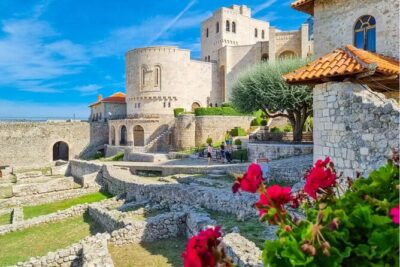
Kruja castle, the old Bazaar & Sarisalltik- Departure from Tirana
Read our review →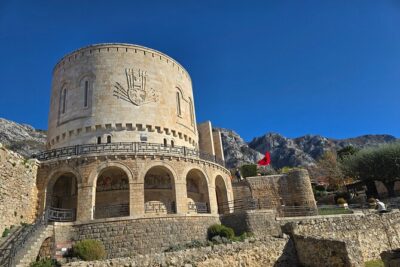
Kruja, Old Bazaar, Museum,Sari Saltik tour from Tirana
Read our review →
Guided Tour to Kruja, Holy Mountain & Old Bazaar from Durres
Read our review →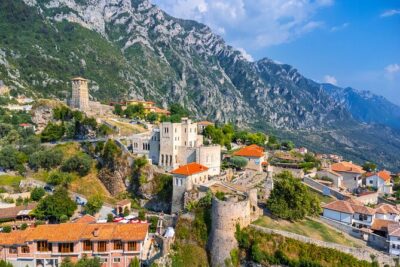
5-hour Tour Kruja Castle and Old Bazaar from Tirana
Read our review →
From Tirana and Durres, Kruja Old Bazaar and Castle Day Tour
Read our review →Browse the lists this tour appears in