
Reviewed · COOKING CLASSES
Cooking Class & Traditional Albanian Dinner
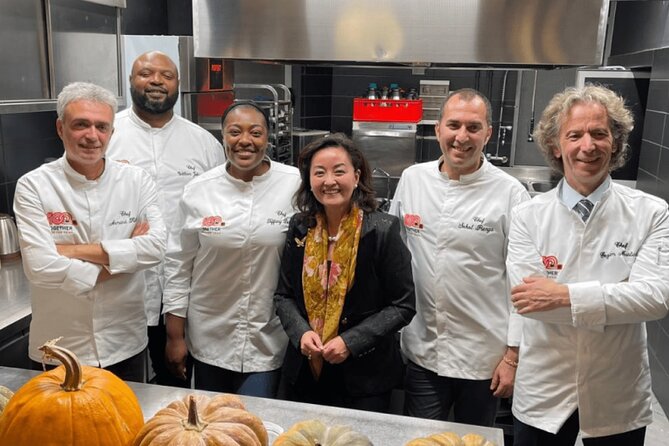
Albanian cooking is at its best when food, family stories, and a long table come together. This five-hour evening with chef Sokol Prenga takes you beyond a restaurant meal, letting you make dishes from scratch and then sit down to eat them.
I like the focus on pispili and handmade pite, two dishes that show how simple ingredients can become something special. I also like the mix of cooking, cultural talk, music, wine, and shared laughter. The main drawback is practical: the class requires at least eight participants, so a small booking may not run on your chosen date.
Key points to know before booking
- Chef Sokol Prenga leads the class: He explains the roots and changes of Albanian food while guiding you through each dish.
- Pispili is a hands-on highlight: You will learn to prepare this Albanian spinach pie as part of a broad traditional menu.
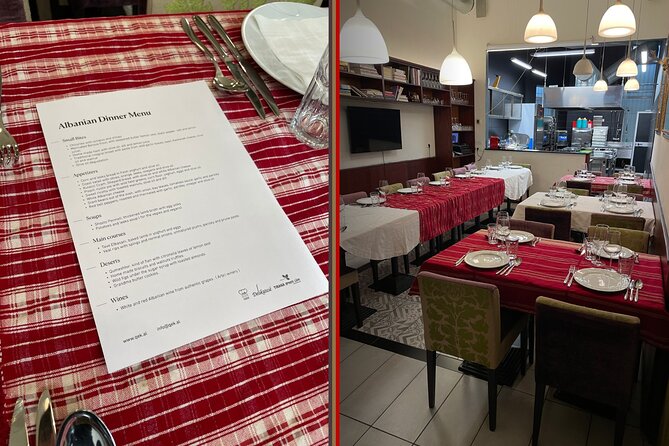
- The menu covers the whole meal: Expect pite, breads, baked Tavë Kosi, veal ribs, soup, dessert, and spirits.
- Plan on four to five hours: This is a full evening, not a quick demonstration followed by one plate of food.
- Group size affects the mood: The class requires a minimum of eight people and accepts up to 20.
- The price is $90.11 per person: That makes the class best suited to visitors who value instruction, cultural context, and a complete dinner.
Why this cooking class works in Tirana
Many food activities give you a plate and a short explanation. This one asks you to take part. You work through Albanian cooking in stages, from breads and appetizers to main dishes, dessert, and spirits.
That structure matters because Albanian food is not one narrow style. The menu reflects home cooking, regional dishes, baked casseroles, pies, breads, meat, dairy, fruit, and eggs. You get a useful sense of how ingredients and techniques fit together instead of simply tasting a list of specialties.
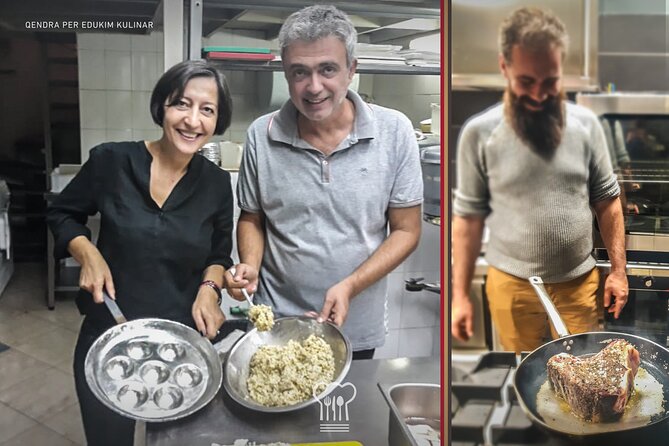
Chef Sokol Prenga is the central figure. He created the setting and menu around the story of Albanian culinary culture, from older customs to more modern forms. The class is designed for beginners, and the cooking is guided step by step. You do not need to arrive with professional kitchen skills.
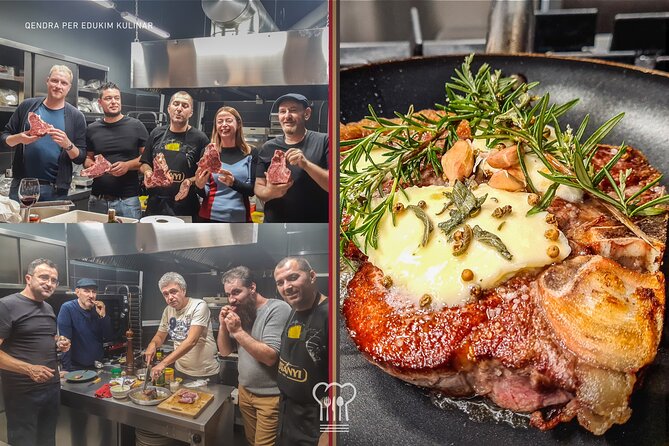
The atmosphere is social rather than formal. A group of 13 can grow into a room of 20 by the end, with people cooking, talking, drinking wine, and sharing the finished food. That can be a real advantage if you enjoy meeting people. It is less ideal if you want a quiet, private lesson.
More cooking classes in Tirana:
- Cooking Classes and Traditional food tasting in Tirana
★ 5.0 · 282 reviews - Traditional Albanian Cooking Class in Tirana with Raki Tasting
★ 5.0 · 125 reviews - Farm-to-Table Cooking Class with Local Family by 1001 AlbAdv
★ 5.0 · 10 reviews
Arriving at Delikatesë Pastiçeri
The evening starts at Delikatesë Pastiçeri, Rruga Myslym Shyri 97, Tirana. The meeting point is near public transportation, which makes it reasonably easy to reach without arranging a private transfer.
The class is offered Monday through Friday from 5:00 PM to 10:00 PM. Since the activity lasts about four to five hours, you should treat it as your main evening plan. Do not schedule a late show, a long restaurant booking, or an early departure immediately afterward.
You receive a mobile ticket, and the activity is offered in English. Most people can take part, but the length of the session is worth considering. You will be standing, handling ingredients, eating several courses, and following instructions over a sustained period.
The class ends back at the same meeting point. That is useful in Tirana, since you do not need to figure out transport from an unfamiliar part of the city after dinner.
Starting with pite and traditional breads
The first part of the meal introduces the building blocks of Albanian home cooking. Pite is an Albanian pie made with thin filo dough stretched by hand. The filling determines the name and style, with spinach, minced meat, leek, and feta cheese among the versions listed for the class.
The handmade dough is one of the most useful things to watch closely. It shows the difference between a packaged pastry and a home technique passed from one kitchen to another. You may not leave ready to roll perfect filo every time, but you will understand the care and movement involved.
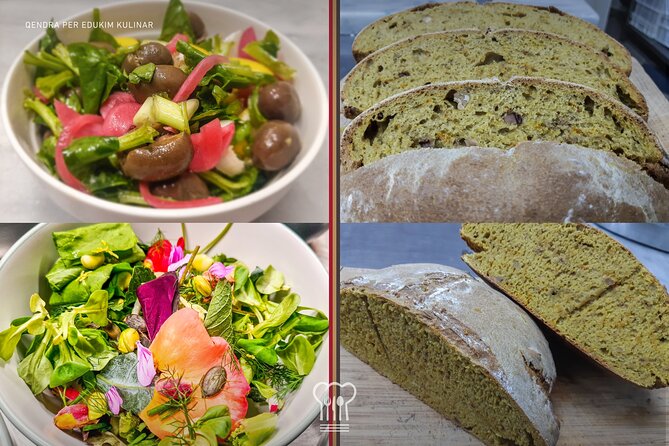
The bread selection adds another layer. The class includes Bukë Kallamoqe, Bukë Misri, Kulaç, Pogaçe, and Kamkuçe, using traditional corn and wheat flours. These are not filler items. Bread is a good way to see how Albanian cooking uses local grains and different textures to support a meal.
This opening section is especially good for anyone who enjoys practical skills. You are not only hearing about food customs. You are handling dough and seeing how a shared meal begins.
Learning pispili, Albania’s spinach pie
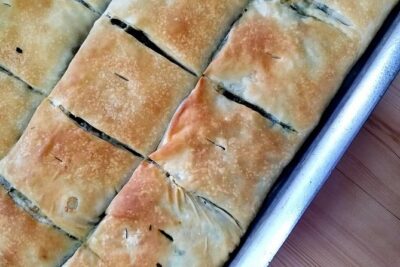
Pispili is one of the most appealing parts of the menu for first-time visitors. It is an Albanian spinach pie, and the class treats it as a dish worth learning rather than a passing sample.
Spinach pies are familiar across much of the Balkans and Mediterranean, but each place has its own approach. The value here is seeing how Albanian cooks balance greens, pastry, dairy, and seasoning. You can compare pispili with the other types of pite and notice how similar ingredients take on different forms.
This is also where the class feels most connected to everyday Albanian cooking. Pispili is the sort of dish that belongs on a family table, not only on a restaurant menu. If you want to take one idea home and try it later, this is a strong choice.
The host and sous-chef are patient with beginners. That makes the class suitable for mixed groups, including people who cook often and people who mostly watch cooking videos. The pace should still feel social, not like a professional training course.
More hands on workshops in Tirana:
- Paint and Wine – Authentic Art Workshop in Tirana
★ 4.5 · 27 reviews - Painting on Tote Bags Workshop with Welcome Drink
★ 5.0 · 4 reviews - Berat Cooking Class- Traditional Albanian Cooking Class /By Vato
★ 5.0 · 120 reviews - Savor Albanian Cuisine Cooking Class with Mama Nina Berat Castle
★ 5.0 · 55 reviews
Tavë Kosi and the turn toward main dishes
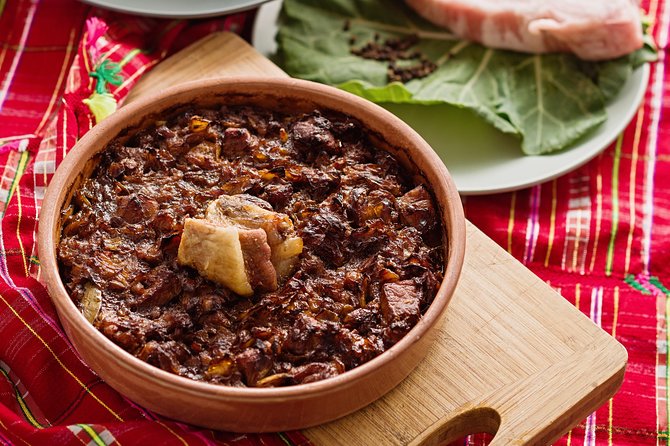
The menu then moves into more substantial food, including Tavë Kosi, a baked casserole made with yogurt and lamb. The dish is a useful introduction to the role of dairy in Albanian cooking. Yogurt gives the casserole a soft, tangy character, while lamb provides the main savory element.
Tavë Kosi also shows why the class is more than a pie lesson. You move from stretched dough and breads to a baked dish that depends on timing, texture, and the balance between meat and yogurt. The host explains the process as the meal develops.
The menu also includes Mish me Pistil, veal ribs with plum syrup. This is one of the more unusual combinations for visitors who know only a few Albanian dishes. The plum syrup adds a sweet note to a hearty meat course, giving the meal a different direction from the yogurt-based casserole.
Because some food is prepared by the host and staff, you will not personally cook every item from beginning to end. That is worth understanding before you book. The evening combines participation with demonstration and professional preparation. This approach keeps a large group moving and helps ensure the final dinner is served at a good standard.
Shqeto e Permetit and Qumeshtor
The menu includes Shqeto e Permetit, an egg-based soup from Përmet. Regional names matter here. You are not just eating a generic soup with an Albanian label. You are introduced to a preparation connected with a particular part of the country.
An egg-based soup can sound simple, but simple dishes often depend on technique. The class gives you a chance to see how eggs are used for body and texture, and how a dish can be both light and satisfying within a long meal.
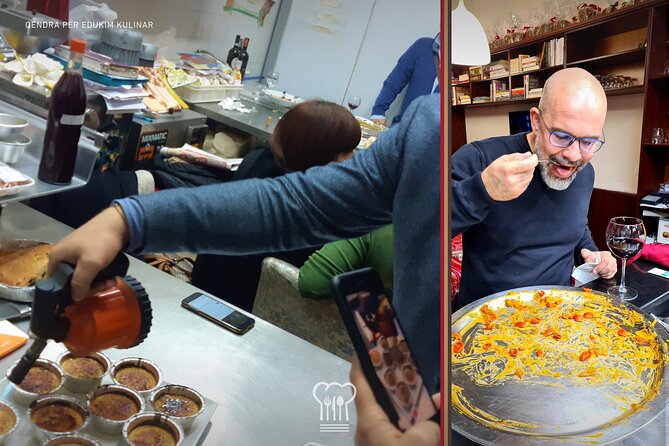
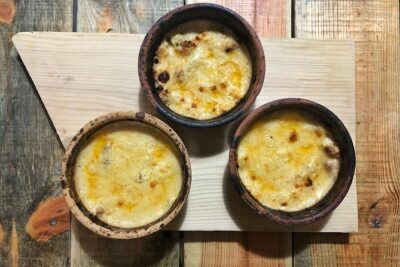
Dessert is Qumeshtor, an Albanian flan. After pies, bread, lamb, veal, and soup, this provides a gentle finish built around milk and eggs. If you are already full by dessert, you will not be alone. The menu is generous, and pacing yourself early is sensible.
The food is served as part of a complete evening, not as isolated cooking exercises. That is one of the class’s strongest features. You learn the preparation, then understand how each course fits into an Albanian meal.
The social side: wine, music, and a large table
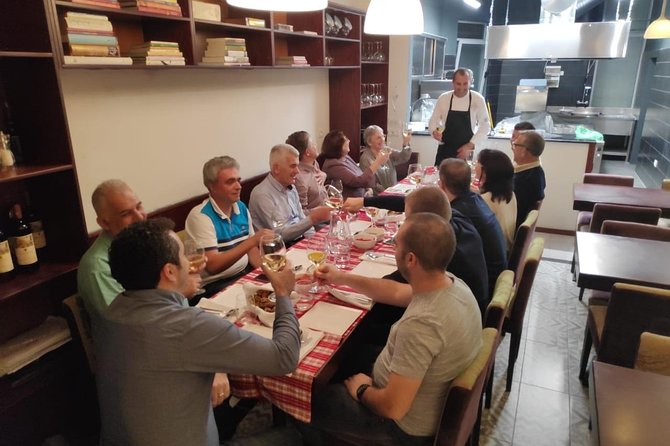
The class has a strong communal feel. Music, jokes, conversation, and cheering are part of the evening’s character. Wine also plays a noticeable role, with local wine accompanying the food in the reported experience. Spirits are included in the stated food program as well.
This is not a silent kitchen lesson. The group cooks together, then enjoys the results together. You may find the room particularly welcoming if you are visiting Tirana with friends, taking an office trip, or looking for a social activity beyond sightseeing.
The maximum group size is 20. That is large enough to create energy, but it can also mean that not everyone has the same amount of hands-on time. If you want detailed, individual correction on every knife cut or pastry fold, a smaller private class would likely suit you better. That option is not described here, so book this experience for its shared atmosphere rather than personal culinary coaching.
For many people, the large group is part of the fun. A booking of 13 friends can become a table of 20, and the class has enough food and space to support that kind of gathering.
What $90.11 buys you
At $90.11 per person, this is not the cheapest way to eat in Tirana. You can certainly find a less expensive restaurant dinner. The question is what you are comparing.
Here, the price covers roughly four to five hours of activity, a full multi-course meal, cooking instruction, cultural explanations, dessert, and drinks connected with the evening. You are also paying for the work involved in preparing several traditional dishes, including handmade breads, pite, casserole, meat, soup, and flan.
I see the price as reasonable for a visitor who wants a full evening activity rather than a standard meal. It becomes better value if you enjoy cooking or if you are traveling in a group that wants one shared experience. It is less compelling if you only want to taste Albanian food and would rather spend the evening moving between restaurants.
The class also gives you context that is hard to get from a menu. You learn how dishes connect with regional customs, older cooking practices, and Albania’s changing food culture. That information makes the meal more memorable and may help you recognize similar dishes elsewhere in the country.
Who should book this evening
I would recommend this experience to:
- First-time visitors who want an introduction to Albanian food
- Couples looking for a long, social dinner activity
- Families with older children who can take part in a four to five-hour class
- Groups of friends and office groups
- Beginner cooks who want practical guidance without a formal culinary-school setting
- Food-focused visitors who care about local customs and regional dishes
You should think twice if you dislike group activities, have very limited time in Tirana, or want a quiet meal. The minimum of eight participants also means that a small booking depends on enough people being scheduled.
The activity is offered in English, and most people can participate. Specific dietary substitutions are not provided in the information here, so if you have allergies or strict dietary needs, ask before booking rather than assuming the menu can be changed.
Booking details that matter
Confirmation is provided at the time of booking. You can cancel for a full refund if you do so at least 24 hours before the start time. Cancellations or changes made inside that window are not refunded or accepted.
The minimum group requirement is important. If the experience cannot run because there are too few participants, you will be offered another date or experience, or a full refund.
The activity runs Monday through Friday, from 5:00 PM to 10:00 PM, during the stated operating period ending August 12, 2026. It has a maximum of 20 participants, uses a mobile ticket, and returns to the starting point.
Should you book the Albanian Culinary Experience?
Book it if you want to understand Albanian food by making it, not simply ordering it. Chef Sokol Prenga’s format combines pispili, pite, breads, Tavë Kosi, veal with plum syrup, regional soup, flan, stories, wine, and a lively shared table.
The strongest reasons to go are the hands-on pastry work, the broad menu, and the warm group setting. The main cautions are the long duration, the minimum group size, and the fact that some dishes are prepared by the host rather than entirely by you.
For a first evening in Tirana, this is a particularly good choice if you want food and culture in the same activity. It will not replace a quiet restaurant meal, but it can give you a better understanding of what Albanian cooking is trying to do: use familiar ingredients, respect old methods, and bring people together around the table.
FAQ
Where does the cooking class start?
It starts at Delikatesë Pastiçeri, Rruga Myslym Shyri 97, Tirana, Albania.
Where does the activity finish?
The activity ends back at the meeting point.
How long does the Albanian cooking class last?
The class takes about four to five hours.
What days and times is it offered?
It is offered Monday through Friday from 5:00 PM to 10:00 PM.
How many people are required for the class to run?
A minimum of eight participants is required. The maximum group size is 20.
Is the activity offered in English?
Yes. The activity is offered in English.
What food will I prepare and eat?
The menu includes pite, traditional Albanian breads, Tavë Kosi with lamb and yogurt, pispili spinach pie, Mish me Pistil with veal ribs and plum syrup, Shqeto e Permetit, and Qumeshtor flan.
Is the activity suitable for most people?
Yes. Most people can participate, according to the activity information.
Can I cancel for a full refund?
Yes, if you cancel at least 24 hours before the experience start time. Cancellations made less than 24 hours in advance are not refunded.
More Dinner Experiences in Tirana
- Albanian Night Show: Traditional Music, Dance & Dinner in Tirana
★ 5.0 · 431 reviews - Shen Gjergji Waterfall & Tirana Sunset Included Dinner
★ 5.0 · 9 reviews - Traditional Albanian and Mediterranean Dinner
★ 5.0 · 9 reviews
Just added around Tirana
- Shen Gjergji Waterfall & Tirana Sunset Included Dinner★ 5.0 · 9 reviews
- Wine Tasting & Vineyards Escape near Tirana★ 5.0 · 18 reviews
- 2-Day Private Ohrid Tour in Skopje, Prishtine Trip and Prizren★ 5.0 · 8 reviews
- Private Transfers from Tirana International Airport to Sarandë★ 4.5 · 3 reviews
- UNESCO heritage in Albania – 4 days★ 5.0 · 3 reviews
- Transfers Tirana Airport – Sarande – Ksamil – Airport Tirana★ 4.5 · 3 reviews
- Traditional Albanian and Mediterranean Dinner★ 5.0 · 9 reviews
- Transfers Airport – Tirana★ 5.0 · 7 reviews
Cooking Classes, compared.
Cooking Classes and Traditional food tasting in Tirana
Read our review →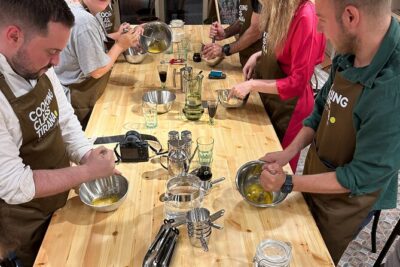
Traditional Albanian Cooking Class in Tirana with Raki Tasting
Read our review →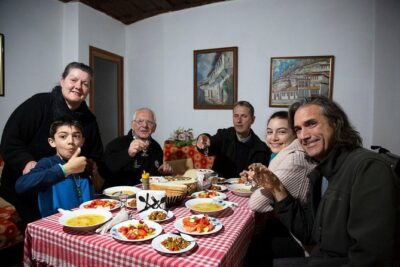
Berat Cooking Class- Traditional Albanian Cooking Class /By Vato
Read our review →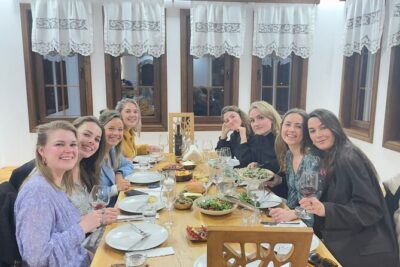
Savor Albanian Cuisine Cooking Class with Mama Nina Berat Castle
Read our review →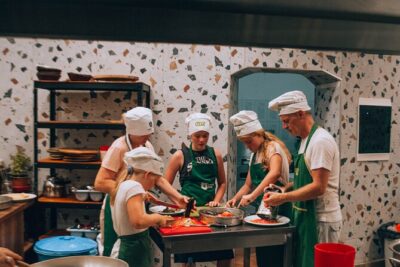
Farm-to-Table Cooking Class with Local Family by 1001 AlbAdv
Read our review →Browse the lists this tour appears in